
In today’s digital-first world, mobile apps have become the backbone of innovation, convenience, and customer engagement. From connecting with loved ones to managing businesses on the go, mobile applications dominate almost every aspect of our daily lives.
As the demand grows, so does the need for fresh and impactful mobile app ideas that can solve real problems, improve experiences, and tap into emerging market trends.
With global smartphone users expected to exceed 7.7 billion by 2027, the demand for innovative mobile solutions is only accelerating. For entrepreneurs, developers, and businesses, Mobile Apps Ideas presents a golden opportunity to create apps that solve real-world problems while delivering unique user experiences.
Why is this the perfect time to invest in mobile app development? The app economy is projected to generate over $613 billion in revenue by 2026, driven by sectors like e-commerce, healthtech, fintech, on-demand services, and AI-powered personalization.
Additionally, emerging technologies such as artificial intelligence, augmented reality, machine learning, and 5G connectivity are opening doors to futuristic app experiences that were once unimaginable.
Whether you’re an aspiring startup founder, a freelancer, or a development company seeking your next big idea, this guide is designed to spark your creativity. We’ve curated 70 practical and trending mobile app development ideas, each explained with market insights, monetization strategies, and how AI can transform them for future scalability.
From health and fitness apps to finance, entertainment, and on-demand services, these ideas cover diverse domains with proven demand and revenue potential. Plus, we explore how you can integrate AI to make your app smarter, more personalized, and competitive in today’s crowded marketplace.
So, if you’re ready to build the next breakout app in 2026, let’s dive into these 70 powerful mobile app ideas that can turn your vision into a thriving digital business.
Why 2026 is the Best Time to Launch a Mobile App Idea as a Project
The economy of App development companies is booming like never before. By 2026, global app revenues are expected to surpass $613 billion, fueled by increased smartphone penetration, digital transformation, and consumers’ growing reliance on apps for daily tasks. According to Statista, the number of mobile app downloads worldwide is projected to exceed 250 billion annually by 2026, making this an unprecedented growth period for developers and entrepreneurs.
Emerging technologies such as 5G connectivity, AI-driven experiences, and cloud-based solutions are redefining user expectations, creating a massive demand for smarter and faster apps. Additionally, the rise of remote work, e-commerce, healthtech, and fintech has accelerated mobile-first adoption, presenting lucrative opportunities across multiple industries.
With lower development costs (thanks to frameworks like Flutter and React Native) and access to a global audience through app stores, 2026 offers the perfect environment for turning an app idea into a thriving business through mobile app development
How AI is Revolutionizing Mobile App Ideas and its Development
Artificial Intelligence is no longer an add-on it’s becoming the backbone of mobile app innovation. AI enables personalization, helping apps deliver unique content, product recommendations, and tailored experiences based on user behaviour. Features like voice recognition, chatbots, and predictive analytics enhance engagement and provide real-time solutions.
AI-powered automation reduces manual processes, from image recognition in shopping apps to fraud detection in finance apps. Predictive modelling allows businesses to anticipate user needs, while NLP (Natural Language Processing) improves search and in-app communication.
In 2026 and beyond, AI-driven design tools, automated testing, and generative AI for code will speed up development cycles, making it easier for startups and enterprises to build mobile application.
AI is also transforming core business workflows beyond consumer apps. For example, hiring processes that once relied on manual scheduling, inconsistent interviews, and scattered feedback are now being automated with AI-driven interview platforms.
To see how this works in practice, watch how a fast-scaling startup used an AI interview tool to dominate their hiring in 2026.
However, to ensure success, there are key things to consider from user experience and scalability to tech stack and long-term maintenance. Smarter apps need smarter planning.
100 Mobile App Development Ideas for 2026
| Category of Application | Best Use | Top 3 App Ideas |
| Local Commerce & Essentials | Quick access to groceries and everyday essentials | Local Grocery Delivery App, Hyperlocal Marketplace, Price Tracker & Drop Alert App |
| Health & Wellness | Track fitness, mental health, and telemedicine services | Fitness Tracking App, Mental Health & Therapy Chat App, Telemedicine Consultation App |
| Education & Learning | Digital learning and skill development | AI-Powered Language Learning App, Online Tutoring Marketplace, Exam Prep App |
| Finance & Money Management | Simplify personal finance and digital payments | Personal Expense Tracker App, Digital Wallet with QR Payments, Crypto Price Tracker App |
| On-Demand Services | Convenient booking of home and personal services | Home Cleaning Service App, Beauty & Salon Booking App, Fitness Trainer On-Demand App |
| Entertainment & Lifestyle | Music, video streaming, and gaming experiences | Music Streaming App, Gaming App, AR-Based Interior Design App |
| Productivity, Travel & Utilities | Improve productivity and travel planning | Voice-Based Note-Taking App, Travel Itinerary Planner App, Carpooling & Ride-Sharing App |
Local Commerce & Essentials — Powered by Innovation
1. Local Grocery Delivery App
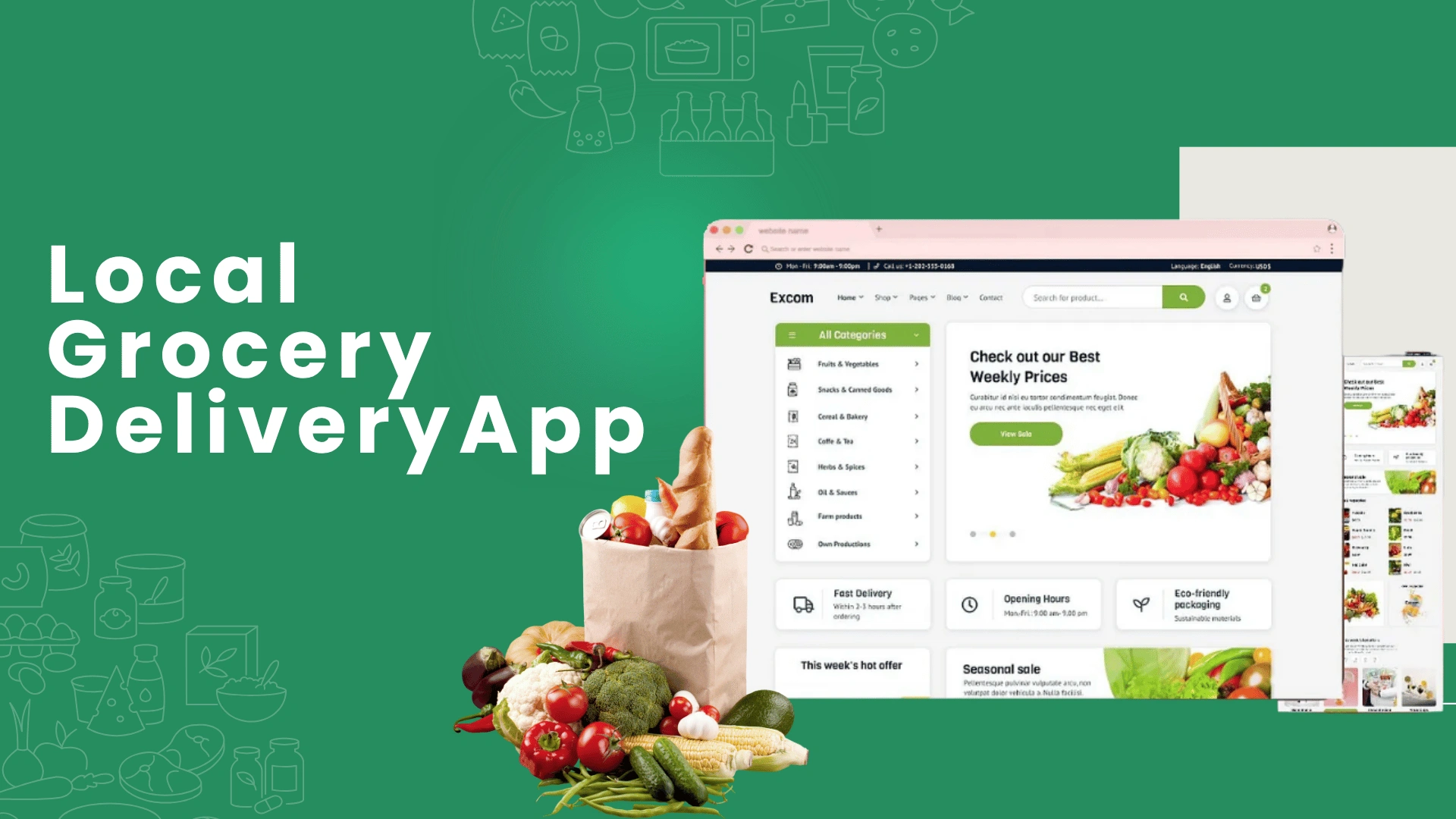
A mobile app that enables customers to order groceries from nearby stores and get them delivered quickly. It solves the problem of time constraints and provides convenience for busy individuals.
The global online grocery market is projected to reach $1.3 trillion by 2030 (Statista). In India, this segment is expected to grow at 33% CAGR by 2028, fuelled by urbanization and digital adoption.
Key Benefits
- Convenience for customers
- Increased sales for local stores
- Real-time inventory updates
Monetization Options
- Delivery fees
- Commission from retailers
- Premium subscriptions for free delivery
AI & Future Opportunities
AI can enable personalized product recommendations, route optimization for faster delivery, and predictive ordering based on past habits. Voice-enabled grocery lists and AI-powered chatbots will dominate by 2030.
2. Discount & Coupon Aggregator
An app that collects and displays the best deals, coupons, and discounts from various e-commerce platforms, helping users save money.
Market Snapshot (2026)- The global digital coupon market will hit $29 billion by 2031 (Allied Market Research). Growing online shopping trends drive this market.
Key Benefits
- Saves time and money for users
- Increases traffic to partner retailers
Monetization Options
- Affiliate commissions
- Paid promotions from brands
- In-app ads
AI & Future Opportunities
AI can track user preferences and automatically apply the best coupons at checkout. Predictive analytics can forecast price drops, making this a go-to savings tool.
3. Hyperlocal Marketplace for Nearby Shops
This is mobile app idea offers a platform where customers can buy from local stores online and receive quick delivery. Focuses on connecting local retailers with nearby buyers.
Market Snapshot (2026)- Hyperlocal delivery is expected to cross $3.6 billion by 2027 (Research and Markets). Demand surged post-pandemic due to convenience.
Key Benefits
- Boosts local businesses
- Fast delivery compared to traditional e-commerce
Monetization Options
- Commission on sales
- Subscription for featured listings
- Ads for premium placement
AI & Future Opportunities
AI will enhance inventory forecasting and demand prediction for stores. Personalized offers and voice commerce will dominate the next decade.
4. Digital Thrift Store App
An app that enables users to buy and sell second-hand clothes and accessories online, promoting sustainable fashion. The global resale market will grow to $350 billion by 2030 (ThredUp). Eco-conscious consumers are driving this trend.
Key Benefits
- Affordable options for buyers
- Sustainable shopping habits
Monetization Options
- Commission on sales
- Paid promotions for sellers
AI & Future Opportunities
AI can authenticate products, suggest pricing, and recommend outfits based on past purchases. Virtual try-ons will enhance buyer experience.
5. Price Tracker & Drop Alert App
A tool that monitors prices across e-commerce sites and notifies users when prices drop or discounts appear. Price comparison tools are growing with online shopping adoption at 20% YoY (eMarketer).
Key Benefits
- Saves money for consumers
- Builds trust with transparent pricing
Monetization Options
- Affiliate links
- Premium price alert plans
AI & Future Opportunities- AI can predict when prices will drop, enabling smart purchase decisions. Integrating chatbots can offer instant deal suggestions.
6. Second-Hand Electronics Marketplace
A platform for buying and selling used electronics, ensuring quality and safety for buyers. The global refurbished electronics market will reach $272 billion by 2030 (Fortune Business Insights).
Key Benefits
- Affordable tech for users
- Reduces e-waste
Monetization Options
- Commission on transactions
- Paid quality certification services
AI & Future Opportunities- AI can verify device condition using photos and predict resale values. AR-based product inspection will enhance trust.
7. Subscription Box Ordering App
An app where users subscribe to monthly boxes for products like snacks, beauty items, or health supplements.
Market Snapshot (2026)- The subscription e-commerce market will reach $904 billion by 2026 (IMARC).
Key Benefits
- Recurring revenue for businesses
- Personalized experience for customers
Monetization Options
- Subscription fees
- Brand partnerships
AI & Future Opportunities– AI can tailor subscription boxes based on user history and seasonal preferences. Predictive analytics can optimize inventory.
8. Local Farmer-to-Consumer App
A marketplace connecting farmers directly with customers for fresh produce delivery. The global farm-to-table market is booming with 15% CAGR by 2030 (Grand View Research).
Key Benefits
- Fair prices for farmers
- Fresh and organic produce for consumers
Monetization Options
- Commission per sale
- Premium listing for farmers
AI & Future Opportunities– AI can forecast demand for produce, optimize delivery routes, and reduce food waste through predictive analytics.
9. Pet Food Ordering App
An app dedicated to delivering pet food and accessories at scheduled intervals.
Market Snapshot (2026)- The pet care market will hit $500 billion by 2030 (Market Research Future). Subscription-based services are trending.
Key Benefits
- Hassle-free delivery for pet owners
- Regular supply ensures pet health
Monetization Options
- Subscription plans
- Commission on sales
AI & Future Opportunities- AI can suggest diet plans based on pet breed, age, and health. Predictive ordering ensures zero stock-outs.
10. Quick Commerce App for Daily Needs
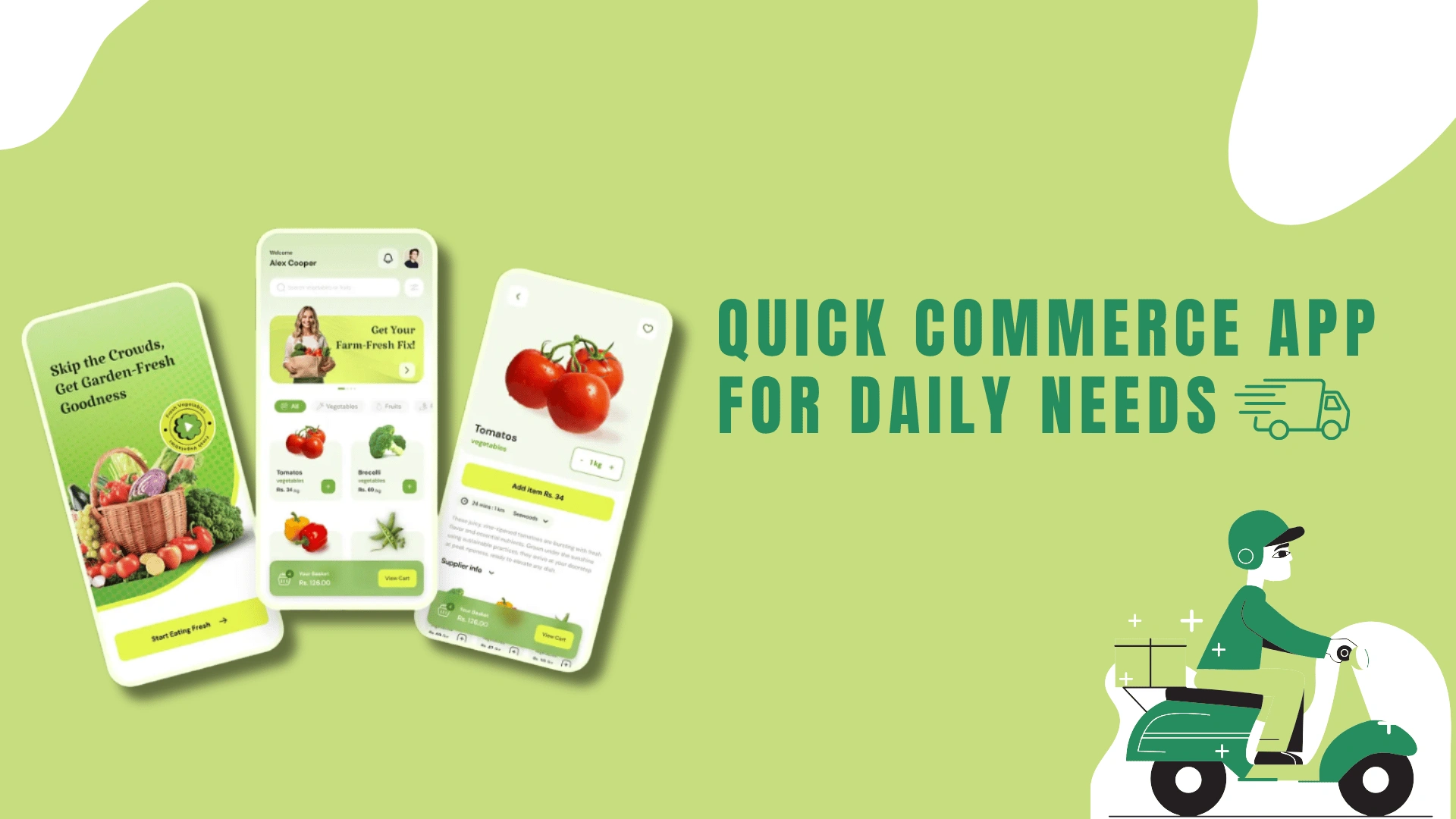
A platform promising ultra-fast (10–30 min) delivery of essentials like snacks, toiletries, and medicines.
Market Snapshot (2026)- Quick commerce will touch $72 billion by 2030 (RedSeer Consulting). India and Southeast Asia lead growth.
Key Benefits
- Extreme convenience
- Competitive advantage for retailers
Monetization Options
- Delivery fees
- Commission from partners
- Surge pricing during peak hours
AI & Future Opportunities- AI-powered route optimization and demand forecasting are game changers. Autonomous delivery via drones will be the next big leap.
Read More: Localizing Your eCommerce Website
Health & Wellness – Meets Next-Gen Technology
11. Fitness Tracking App
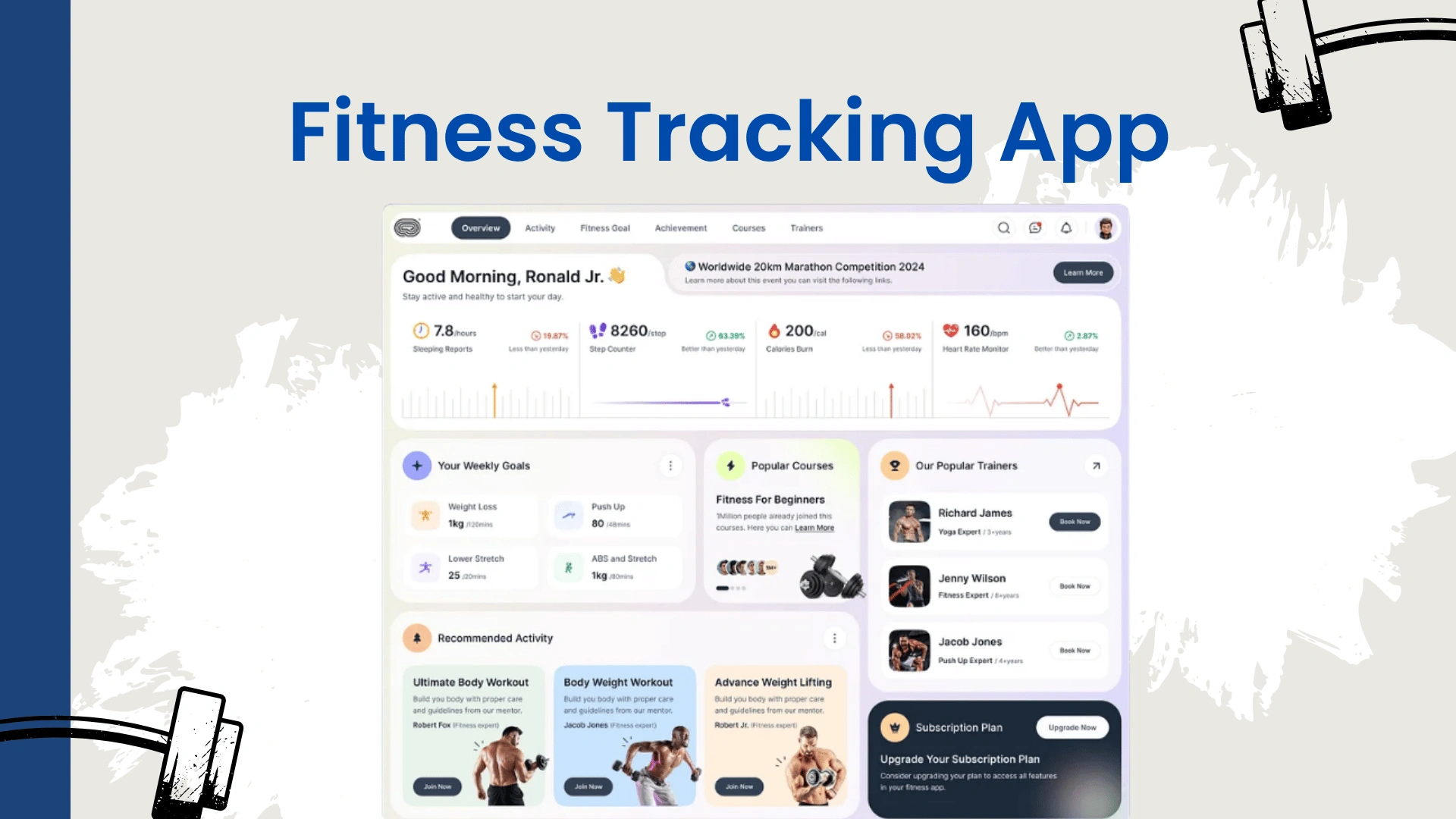
A mobile app that syncs with wearables and smartphones to track steps, workouts, heart rate, calories burned, and activity streaks—helping users build consistent fitness habits.
Market Snapshot (2026)- The global fitness app market is estimated at ~$12B in 2026 and forecast to reach ~$23B by 2030 (13.9% CAGR) as mobile health adoption, connected wearables, and subscription fitness programs expand. Wearable innovation (auto calorie/hydration sensing, multi-sensor bands) continues to raise user expectations for data accuracy and coaching. (Grand View Research, New York Post)
Key Benefits
- Real-time activity tracking drives accountability.
- Data history supports habit formation & coaching.
- Integrations (Apple Health, Google Fit, gym equipment) unify the user’s health view.
Monetization Options
- Freemium tracking
- Premium coaching plans
- Brand partnerships with fitness gear
- In-app workout programs; corporate wellness licensing.
AI & Future Opportunities-
AI models can generate adaptive training plans using biometric + historical performance data, flag injury risk from recovery trends, and auto-log workouts from sensor patterns. Expect deeper sensor fusion (hydration, stress, body composition) and coaching “copilots” that combine chat + predictive analytics by 2030. (Grand View Research)
Read More: Fitness App Development Cost
12. Calorie Counter & Diet Planner
An app where users log meals (manually, via barcode, voice, or photo) to track calories, macros, and micronutrients with goal-based plans (weight loss, muscle gain, diabetic-friendly).
Market Snapshot (2026)- Global diet & nutrition apps valued at ~$2.4B in 2026, projected to ~$4.6B by 2030 (13%+ CAGR) as health-conscious consumers seek digital nutrition support.
Emerging devices now estimate intake automatically from biosignals (e.g., smart bands detecting calorie load), reducing logging friction. (Grand View Research, New York Post)
Key Benefits
- Food awareness → better decisions.
- Goal targeting for weight & metabolic health.
- Data export to dietitians & fitness programs.
Monetization Options
- Premium macro coaching
- Personalized meal plans
- Grocery affiliate links
- Branded nutrition challenges
- In-app recipe bundles.
AI & Future Opportunities
Computer vision meal recognition, LLM-powered “swap this for that” nutrition chat, and adaptive macro recalculation from progress data will define next-gen apps. Linking wearable caloric expenditure + auto-detected intake narrows energy balance gaps—powerful for clinical weight programs.
13. Mental Health & Therapy Chat App
A mental wellness platform offering self-guided CBT tools, mood tracking, therapist chat/video, crisis resources, and community support spaces.
Market Snapshot (2026)- The mental health app market is about $7–8B in 2026 and projected to scale rapidly estimates show $17B+ by 2030 and $23B+ by 2032 (mid-to-high teens CAGR) as global mental health burden (hundreds of millions affected) drives digital access demand. (Fortune Business Insights, Grand View Research, Precedence Research)
Key Benefits
- Low-barrier access vs in‑person therapy waitlists.
- Continuous mood data supports early intervention.
- Scalable support for employers, schools, health plans.
Monetization Options
- Subscription tiers (self-guided vs therapist)
- Employer wellness contracts
- Mental-health program bundles
- In-app group coaching.
AI & Future Opportunities
AI chat companions for mood journaling, triage models that escalate high-risk users to human care, and personalized CBT exercises tuned to symptom scores. Predictive relapse alerts (language + usage signals) could improve outcomes at population scale by 2030.
14. Period Tracker for Women
Tracks menstrual cycles, symptoms, fertility windows, PMS patterns, and reproductive health signals often used for conception planning or cycle awareness.
Market Snapshot (2026)- Femtech is exploding: reports cite downloads in the hundreds of millions and a sector expected to top $60B+ by 2027; broader women’s health tech projections range from $75B mid‑decade to long‑range multi‑hundred‑billion potential.
Leading app Flo passed $1B valuation and millions of paying subs proof of monetization. Privacy is now a top differentiator after data misuse concerns. (The Guardian, The Washington Post, Financial Times)
Key Benefits
- Cycle prediction for planning & fertility.
- Symptom logging for medical consults.
- Education & community around reproductive health.
Monetization Options
- Premium analytics
- Telehealth gyne consult access
- Fertility coaching
- Anonymized research data (with consent)
- Branded wellness products.
AI & Future Opportunities- AI can improve cycle prediction from irregular data, surface correlations (pain vs lifestyle), and flag patterns suggesting endocrine disorders. Privacy-preserving machine learning (on-device, differential privacy) will become table stakes in regulated markets. (The Guardian, The Washington Post, Financial Times)
15. Water Drinking Reminder
Simple but sticky: reminds users to drink water, tracks daily intake goals, and may sync with wearables or smart bottles to auto-log hydration.
Market Snapshot (2026)- Hydration tracking is moving from manual logging to sensor-driven wearables that estimate fluid balance, calorie burn, and stress (e.g., multi-sensor bands) and to sweat-analysis patches that personalize electrolyte needs for athletes. Interest grows alongside broader health & wellness tracking.
Key Benefits
- Supports performance & general health.
- Useful in hot climates, sports, travel.
- Habit gamification boosts daily engagement.
Monetization Options
- Ad-supported reminders
- Premium smart bottle sync
- Wellness brand sponsorship
- In-app challenges & leaderboards
- Subscription analytics for athletes
AI & Future Opportunities
AI can infer hydration needs from activity, weather, and sweat loss patterns; adaptive reminders based on predicted deficit reduce alert fatigue. Expect bundled “whole-body readiness” dashboards (sleep + activity + hydration) by 2030. (New York Post, WIRED, Real Simple)
16. Yoga & Meditation App

Guided yoga flows, breathwork, meditation sessions, mindfulness courses, and sleep stories delivered via mobile audio/video.
Market Snapshot (2026)- Meditation leaders monetize well: Calm topped global health/meditation app revenue in Jan 2026, and Calm + Headspace each generate hundreds of millions annually with multimillion subscriber bases.
Sleep content (e.g., stories, ambient) drives retention; even gamified sleep apps rank in revenue charts. (Statista, Business of Apps, Business of Apps)
Key Benefits
- Stress reduction & focus.
- Flexible micro-sessions for busy users.
- Cross-sell into sleep, mental health, and wellness bundles.
Monetization Options
- Subscription libraries
- Enterprise wellness licensing
- Premium series (prenatal, burnout recovery)
- Live virtual classes
- Branded retreats
AI & Future Opportunities- Adaptive meditation plans tuned to stress HRV data; voice-coached posture feedback via camera; LLM-guided journaling; generative soundscapes that respond to breathing. Expect deeper integration with employer mental-health benefits by 2030. (Statista)
17. Doctor Appointment Booking
Build a doctor appointment booking app that lets patients search for healthcare providers, view real-time availability, book appointments, receive reminders, upload medical reports, and manage follow-ups all in one convenient platform.
Market Snapshot (2026)- Medical scheduling software market is scaling (projected ~$750M by 2030; ~13% CAGR), driven by automation demand and lower no‑show rates vs manual scheduling. Health systems under cost pressure (e.g., NHS modernization initiatives) are adopting AI tools to optimize slots and reduce missed visits. (Grand View Research,
Key Benefits
- Cuts administrative time & call volume.
- Automated reminders reduce no‑shows.
- Better capacity utilization across clinics.
Monetization Options
- Per-provider SaaS fees
- Enterprise licensing to hospitals
- SMS reminder bundles
- Premium analytics dashboards
- Referral marketplace ads.
AI & Future Opportunities in Healthcare
Healthcare is rapidly evolving with AI healthcare software solutions that improve efficiency and patient experience. Predictive no-show scoring helps clinics optimize appointment schedules, while intelligent triage bots ensure cases are routed to the right specialists.
Smart waitlist management fills gaps when cancellations occur, and voice-enabled agents support patients who have limited digital access. These innovations not only streamline operations but also make healthcare more accessible and responsive.
Related Insights: How to Build an AI Clinical Decision Support System in Healthcare
18. Prescription Reminder & Pill Tracker
Helps patients remember doses, track refills, log adherence, and (optionally) connect to pharmacies, caregivers, or smart pill devices.
Market Snapshot (2026)- Medication adherence & tracking wearables are growing fast (projected ~$3B 2026 → ~$4.9B 2029, ~13% CAGR). Broader ePharmacy growth (>$60B 2022; accelerating toward 2030+) shows demand for digital prescription management, while digital therapeutics investments are integrating adherence data into outcome-based care.
Key Benefits
- Reduces missed doses critical in chronic disease.
- Supports caregivers & remote monitoring.
- Generates adherence data for payers & trials.
Monetization Options
- Premium multi-patient management
- Pharmacy referral commissions
- Device bundles (smart caps, blister packs)
- Payer reimbursement for adherence programs
AI & Future Opportunities
Computer vision pill ID from camera; pattern-based non‑adherence alerts; smart refill prediction tied to ePharmacy ordering; conversational refills via voice agent. (The Business Research Company, Grand View Research, MarketsandMarkets)
19. Sleep Tracker with Soundscapes
Tracks sleep duration, stages, and quality via wearable or phone sensors; pairs with relaxing audio (stories, music, white noise) to improve sleep hygiene.
Market Snapshot (2026)- The sleep tracking devices market was ~$30B in 2024 and forecast to ~$58B by 2030 (11%+ CAGR). Consumer obsession with sleep scores (“orthosomnia”) shows high engagement—good and bad. Major platforms now add clinical screens (e.g., sleep apnea detection in wearables) signaling a shift toward medical relevance.
Key Benefits
- Awareness of sleep debt & patterns.
- Behavioral nudges (bedtime, caffeine cutoffs).
- Bundled wellness (meditation + sleep sounds).
Monetization Options
- Premium analytics
- Sleep coaching subscriptions
- Branded sleep audio libraries
- Integrated device sales
- Insurer wellness incentives.
AI & Future Opportunities- AI models can classify sleep stages more accurately from multimodal sensor data, detect risk of apnea/insomnia trends, and generate adaptive bedtime soundscapes tied to user biometrics. Clinical integration opportunities will expand by 2030.
20. Telemedicine Consultation App
Video, voice, or chat consultations with licensed doctors; includes e-prescriptions, referral notes, and follow-up care plans—accessible from mobile.
Market Snapshot (2026)- The global telemedicine market is estimated at ~$150B+ in 2026 and projected to ~$380B by 2030 (17%+ CAGR) as consumers normalize virtual care. Digital therapeutics expansion—AI, remote monitoring, integrated platforms—further fuels virtual consult demand across chronic and acute care pathways.
Key Benefits
- Rapid access in underserved or remote regions.
- Lower travel & facility burden.
- Easier chronic disease follow-up & prescription renewals.
Monetization Options
- Per-visit fees
- Subscription primary care
- Employer health plans
- Insurer reimbursement
- White-label B2B deployments for hospitals.
AI & Future Opportunities- Symptom triage bots, automated documentation (visit notes → EMR), risk scoring from longitudinal data, and integration with at-home diagnostics will define the 2026–2030 wave. Hybrid care models (virtual + in‑person routing) will dominate large health systems.
Education & Learning
21. Short Video Learning App
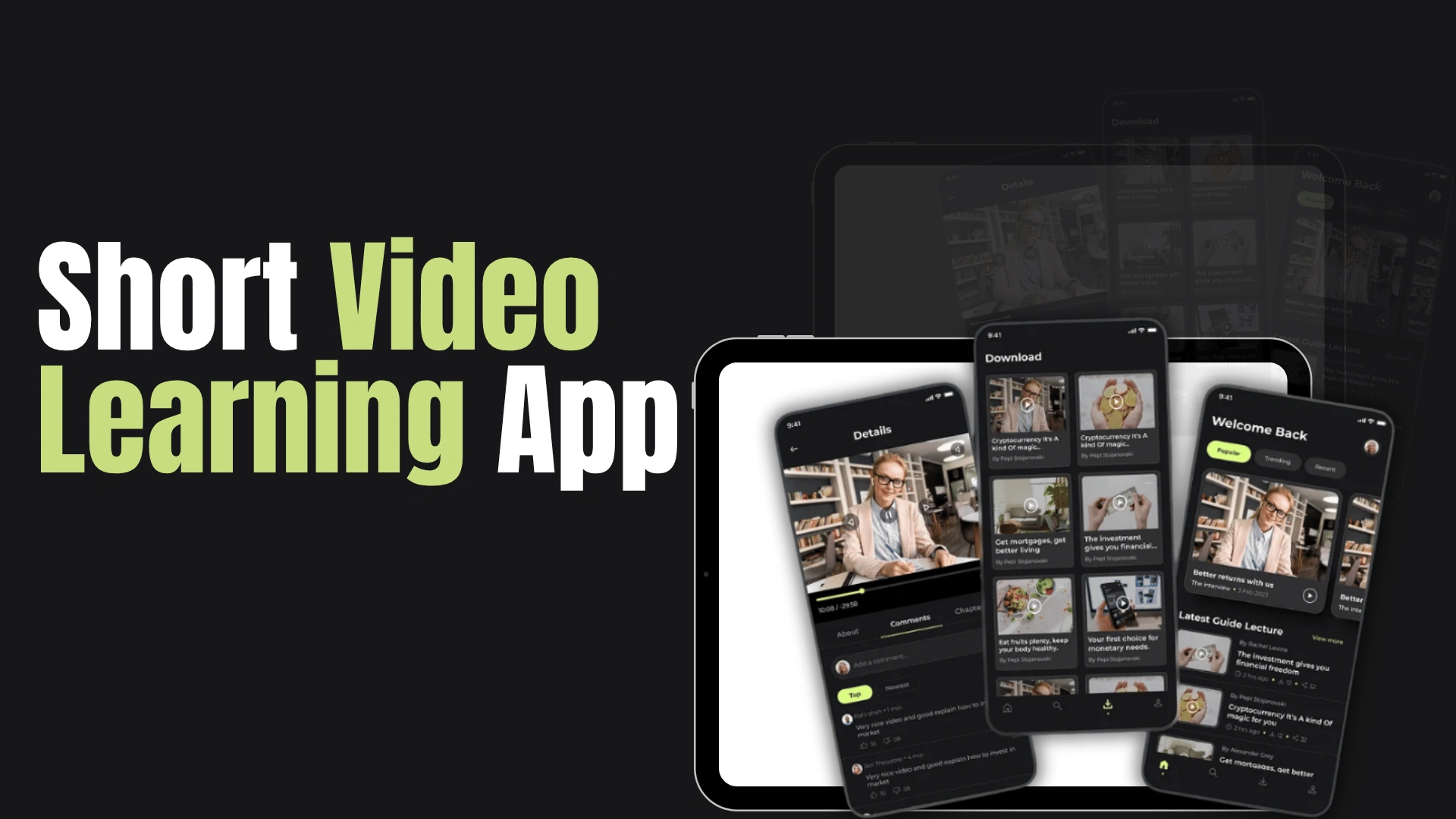
An app delivering micro-learning content (60–120 seconds) on various topics—ideal for learners with limited time.
Market Snapshot (2026)- The micro-learning market is projected to hit $4.3B by 2028 (13% CAGR) as attention spans shrink and video consumption dominates. Platforms like TikTok and Instagram Reels have validated bite-sized learning.
Key Benefits
- Fast, engaging learning format
- Covers diverse topics in minimal time
- High shareability for virality
Monetization Options
- Ad revenue
- Paid premium content
- Brand-sponsored educational series
- Course upselling.
AI & Future Opportunities
AI will auto-generate personalized short lessons, subtitles, and language translations. Expect adaptive learning paths where videos evolve based on performance analytics.
22. Online Tutoring Marketplace
Connects students with tutors for 1:1 or group sessions via video calls, covering academic subjects, test prep, or special skills.
Market Snapshot (2026)- The global online tutoring market is expected to exceed $23B by 2030 (14% CAGR) as digital learning normalizes post-pandemic.
Key Benefits
- Personalized support
- Wide tutor selection
- Flexible scheduling
Monetization Options
- Commission per session
- Premium subscription for unlimited access
- Featured tutor listings.
AI & Future Opportunities-AI can auto-match students with tutors, analyze learning patterns for adaptive teaching, and integrate real-time translation for multilingual sessions.
23. AI-powered Language Learning App
A mobile app helping users learn languages via AI-driven conversations, voice recognition, and personalized exercises.
Market Snapshot (2026)- Language learning apps are projected to hit $14.5B by 2027, fueled by globalization and remote work.
Key Benefits
- On-demand language training
- Cost-effective alternative to classes
- Gamified experience increases retention
Monetization Options
- Freemium model
- Ad-free premium tiers
- Live classes
- Certification fees.
AI & Future Opportunities- Expect hyper-realistic AI tutors, voice bots for practice, and real-time grammar correction. AR-based cultural immersion is on the horizon.
24. Exam Prep (Competitive Exams) App
A platform offering mock tests, study materials, and analytics for exams like SAT, GRE, or local competitive tests.
Market Snapshot (2026)- The global test-prep market is worth $9B+, with digital platforms seeing double-digit growth as physical coaching declines.
Key Benefits
- Accessible anywhere
- Performance tracking
- Affordable vs offline classes
Monetization Options
- Paid test bundles
- Subscription for unlimited tests, and live classes with expert instructors.
AI & Future Opportunities- AI can generate adaptive tests, track weak areas, and create personalized learning plans. Predictive analytics can forecast exam readiness.
25. Kids Educational Games App
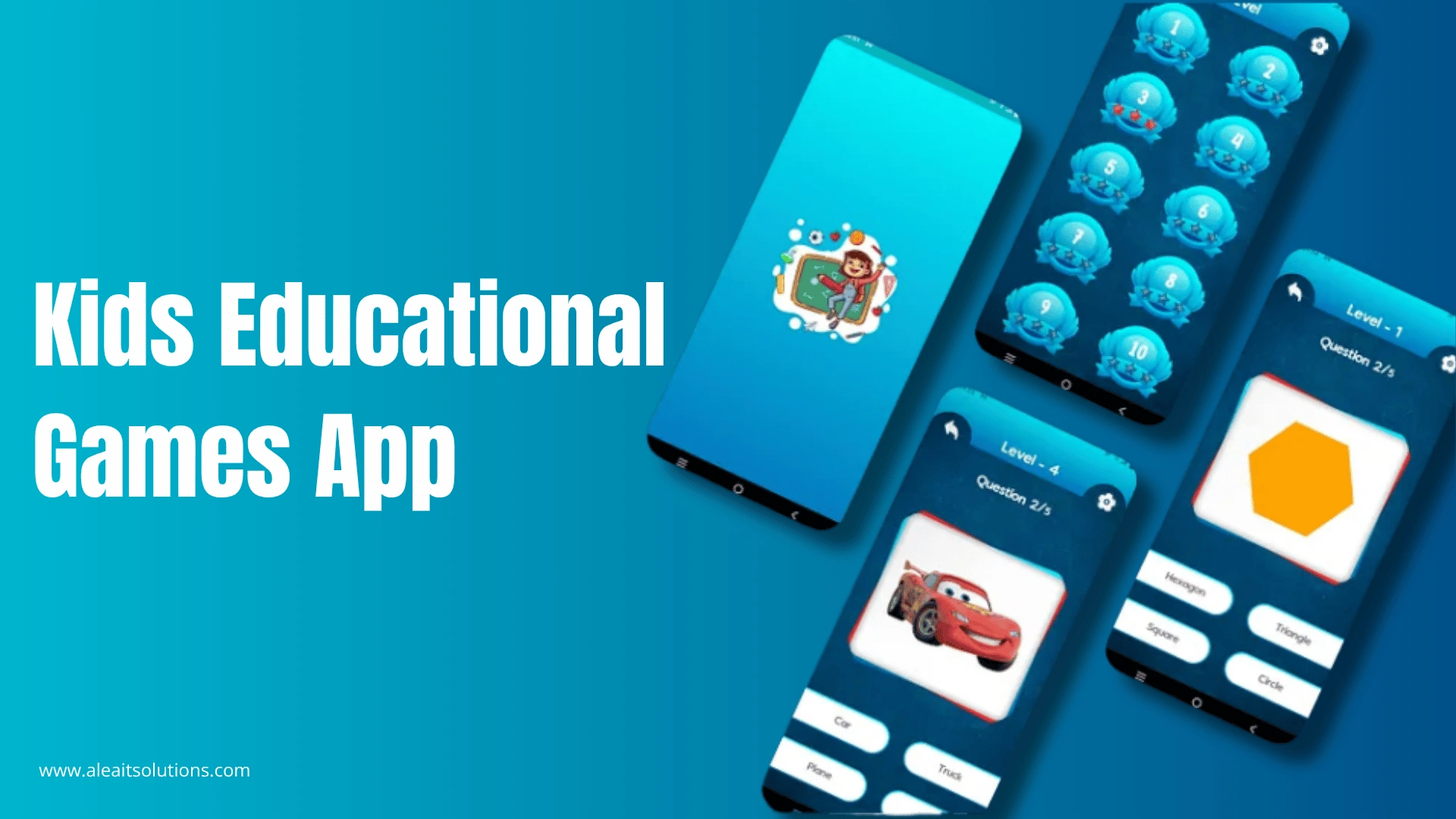
Interactive games teaching math, science, and problem-solving for children aged 3–12.
Market Snapshot (2026)- The global edutainment market will reach $10.11B by 2030, driven by gamification in education.
Key Benefits
- Makes learning fun
- Improves engagement
- Encourages cognitive development
Monetization Options
- In-app purchases
- Ads (kid-safe)
- Premium game packs
AI & Future Opportunities- AI can adjust difficulty in real time and suggest topics based on progress. Voice-based interactions and AR learning will grow.
26. Skill Learning (Coding, Design) App
An app teaching in-demand skills like programming, UX design, and digital marketing via video courses and projects.
Market Snapshot (2026)- The global e-learning market will surpass $400B by 2030, with skill-based learning in high demand.
Key Benefits
- Affordable reskilling
- Self-paced flexibility
- Job-ready certifications
Monetization Options
- Course bundles
- Premium memberships
- Job placement partnerships
AI & Future Opportunities in eLearning
The future of ai in eLearning includes AI-based project evaluations, coding assistants, and adaptive course recommendations that personalize learning for every student. Integration with AR for practical simulations is also on the horizon, offering immersive, hands-on experiences.
27. Flashcard & Quiz App
A tool for spaced repetition and active recall popular for exam prep and language learning.
Market Snapshot (2026)- Flashcard-based apps have millions of active users worldwide, driven by neuroscience-backed learning techniques.
Key Benefits
- Boosts retention
- Ideal for quick reviews
- Gamified quizzes encourage engagement
Monetization Options
- Ad-supported free version
- Premium decks
- Subscription models
AI & Future Opportunities
AI can auto-generate flashcards from textbooks, detect user weak points, and adjust difficulty dynamically.
28. eBook & Audiobook Reader App
A platform for reading eBooks and listening to audiobooks with offline access and syncing features.
Market Snapshot (2026)- The audiobook market is projected to hit $35B by 2030, driven by mobile-first consumption.
Key Benefits
- Improves accessibility
- Supports multitasking
- Builds reading habits
Monetization Options
- Subscription models
- Pay-per-book
- Publisher partnerships
AI & Future Opportunities- AI can generate personalized reading suggestions, summarize books, and offer voice customization for audiobooks.
29. Career Counseling App
Helps students and professionals explore careers through assessments, expert advice, and job-matching algorithms. Career guidance tech is growing as remote work reshapes job markets; expected CAGR is 13%+ globally.
Key Benefits
- Personalized career planning
- Reduces wrong career choices
- Integrates with job platforms
Monetization Options
- Premium counseling
- Employer branding
- Skill development upselling
AI & Future Opportunities- AI can predict career fit using psychometric + market trend data, offer mentorship matching, and forecast salary trajectories.
30. Study Planner & Task Manager App
Organizes assignments, schedules, and reminders for students, integrating with calendar tools.
Productivity apps remain a top category, expected to maintain 10%+ CAGR through 2030 as digital study tools proliferate.
Key Benefits
- Keeps students on track
- Reduces missed deadlines
- Integrates with online classes
Monetization Options
- Freemium plans
- Premium sync features
- Education tool integrations
AI & Future Opportunities- AI will auto-prioritize tasks, set study breaks, and adjust schedules based on performance and deadlines.
Finance & Money Management – Simplified by Apps
31. Personal Expense Tracker
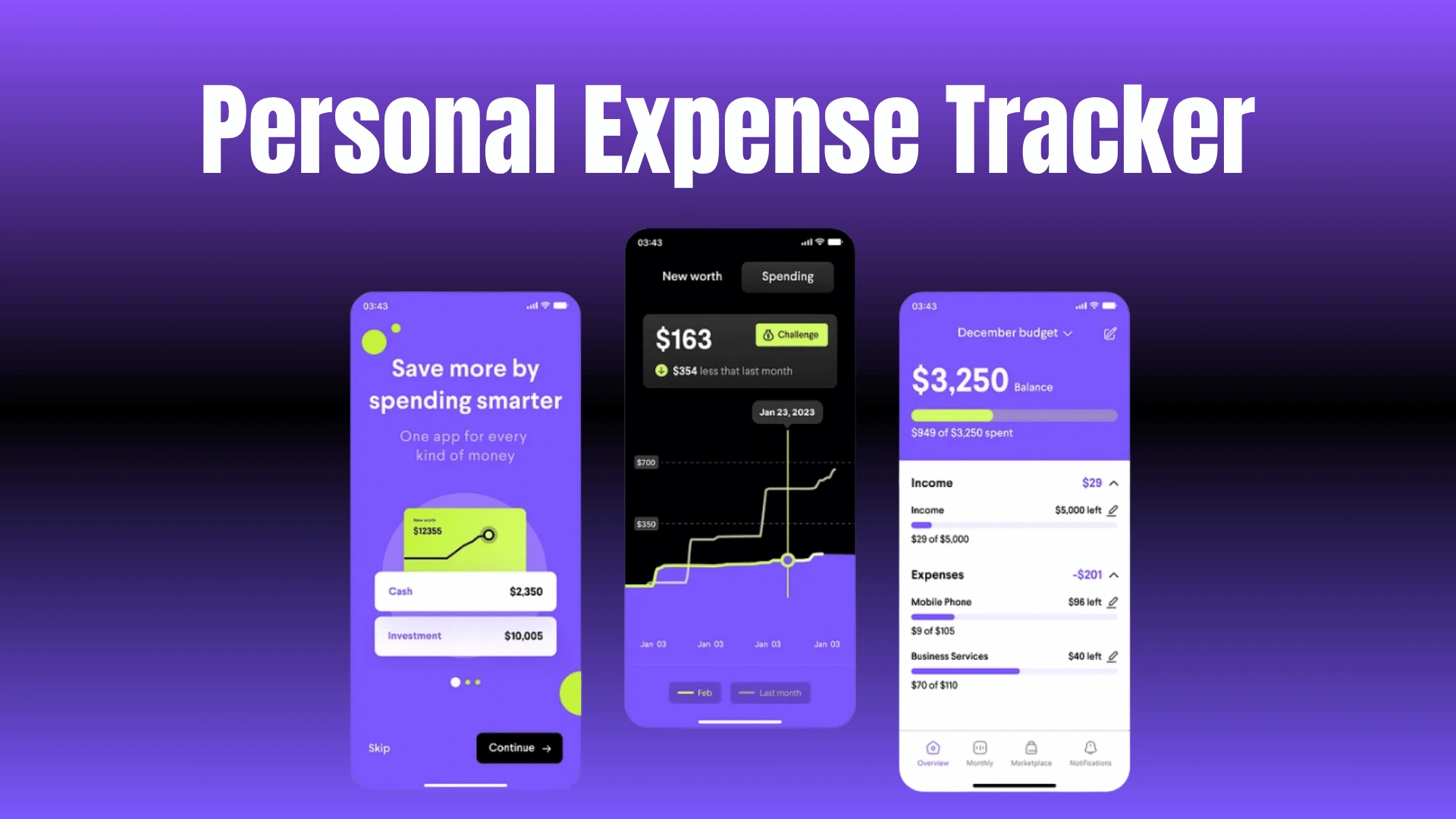
Mobile App Development Idea like a finance app that tracks daily expenses, categorizes spending, and provides a snapshot of monthly budgets. The personal finance software market is set to hit $2.5B by 2027 (5% CAGR), with mobile-first adoption fueling growth globally.
Key Benefits
- Helps users control overspending
- Visual reports for clarity
- Goal-based savings
Monetization Options
- Freemium with premium analytics
- Subscription tiers
- Affiliate offers for credit cards or loans
AI & Future Opportunities- AI can forecast monthly expenses, detect unusual transactions, and offer personalized saving tips. Predictive alerts will prevent overspending by 2030.
32. Bill Reminder & Payment App
Keeps track of due dates for utility bills, rent, and subscriptions, sending alerts and allowing in-app payments. Bill management apps see 10%+ CAGR, driven by subscription-heavy lifestyles and digital payment growth.
Key Benefits
- Avoids late fees
- Centralized dashboard
- Auto-payment features
Monetization Options
- Subscription for premium features
- Partnerships with payment gateways
- Targeted financial product ads
AI & Future Opportunities- AI will automate payments based on predicted cash flow and send proactive budget alerts before large bills hit.
33. Split Bills with Friends App
Simplifies splitting shared expenses for dining, rent, and trips among friends or roommates. Peer-to-peer payment adoption is booming, with apps like Venmo and UPI-based solutions setting the trend.
Key Benefits
- Reduces payment friction
- Transparent record keeping
- Integrates with bank accounts
Monetization Options
- Transaction fees for instant transfers
- In-app ads
- Premium expense history features
AI & Future Opportunities- AI will suggest fair splits, detect recurring shared expenses, and enable voice-based bill settlements.
34. Budget Planner App
Helps users create, track, and adjust monthly and yearly budgets. Budgeting apps dominate the personal finance category, with consistent double-digit user growth year-over-year.
Key Benefits
- Tracks progress toward savings
- Supports financial discipline
- Customizable categories
Monetization Options
- Freemium with advanced analytics
- Premium goal tracking
- Brand partnerships
AI & Future Opportunities- AI will auto-adjust budgets based on income changes, spending patterns, and inflation predictions.
35. Loan EMI Calculator
An app for calculating monthly EMIs, interest breakdown, and loan affordability before borrowing. Loan management tools see steady growth as consumer credit adoption rises globally.
Key Benefits
- Clear repayment insights
- Avoids financial stress
- Useful for multiple loan scenarios
Monetization Options
- Affiliate revenue from loan providers
- Premium calculators
- Financial advisory services
AI & Future Opportunities- AI will recommend best loan products based on credit scores and repayment ability.
36. Crypto Price Tracker

Tracks cryptocurrency prices in real time, portfolio value, and market news. The global crypto market remains volatile but sizable at $2.5T+, driving demand for tracking tools.
Key Benefits
- Real-time alerts
- Portfolio analytics
- Access to news updates
Monetization Options
- Premium alert subscriptions
- Ads
- Affiliate links for crypto exchanges
AI & Future Opportunities- AI can predict trends using sentiment analysis and suggest optimal buy/sell times.
37. Cashback & Rewards Aggregator
Collects all available cashback offers and loyalty rewards from different merchants in one place. Digital reward systems are growing at 12% CAGR, driven by e-commerce loyalty programs.
Key Benefits
- Saves money for users
- Boosts merchant sales
- Simplifies reward redemption
Monetization Options
- Affiliate commissions
- Premium membership for extra cashback
- In-app promotions
AI & Future Opportunities- AI will auto-apply the best reward and predict future deals based on spending habits.
38. Digital Wallet with QR Payments
A secure mobile wallet for storing money and making QR-based transactions. The mobile wallet market will hit $16T globally by 2031, with QR payments leading in Asia.
Key Benefits
- Instant payments
- Supports offline merchants
- Loyalty integration
Monetization Options
- Merchant transaction fees
- Premium security features
- Credit line offerings
AI & Future Opportunities- AI fraud detection, voice-enabled payments, and smart budgeting suggestions during transactions.
39. Savings & Goal Tracker App
Helps users set savings goals, track progress, and automate deposits.
Market Snapshot (2026)- Personal savings apps trend upward as consumers seek financial security amid inflation.
Key Benefits
- Goal-oriented saving
- Visual motivation
- Auto-debit features
Monetization Options
- Premium goal tracking
- Affiliate offers for savings accounts
- Investment upselling
AI & Future Opportunities- AI will auto-set goals based on income and predict time to reach targets.
40. Stock Market Learning App
Educates beginners about stock markets through simulations, tutorials, and quizzes.
Market Snapshot (2026)- The financial education app market is growing as retail investors surge globally.
Key Benefits
- Risk-free practice
- Simplifies complex concepts
- Builds investor confidence
Monetization Options
- Course sales
- Premium tutorials
- Affiliate partnerships with brokers
AI & Future Opportunities- AI will personalize learning paths and simulate market conditions for practice trades.
Read More: IT Solutions for Banking & Finance Industry
On-Demand Services – Reinvented for Mobile
41. Home Cleaning Service App
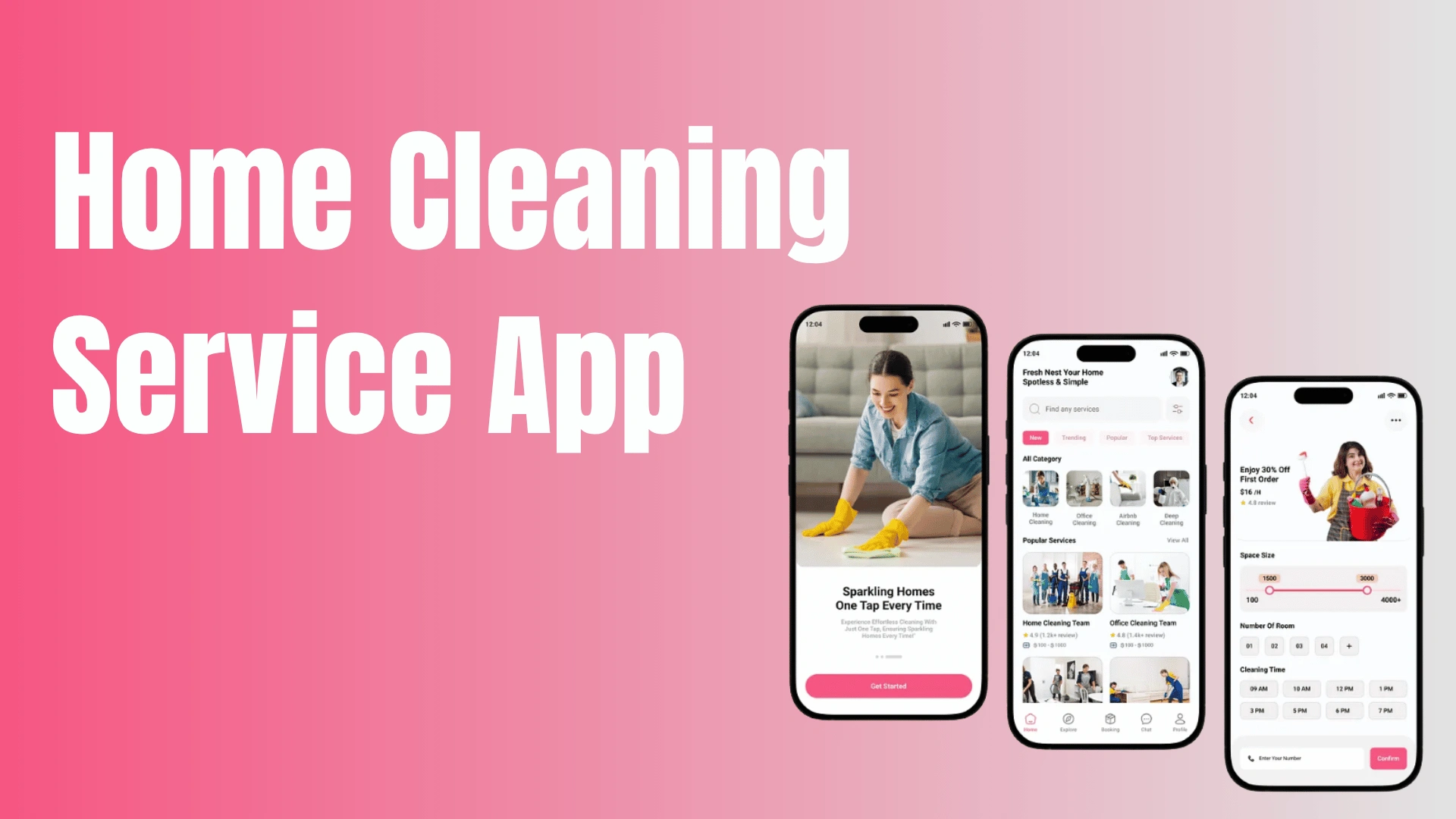
A platform where users can book on-demand home cleaning services from verified professionals.
Market Snapshot (2026)- The home services market is forecasted to reach $1.3 trillion globally by 2030, with cleaning services being a major segment. Urban households and working professionals are driving adoption.
Key Benefits
- Convenience and time-saving
- Verified and safe cleaners
- Flexible scheduling
Monetization Options
- Commission on bookings
- Premium plans for frequent users
- Featured listings for service providers.
AI & Future Opportunities- AI can optimize schedling, match cleaners to nearby jobs, and offer dynamic pricing based on demand. Predictive analytics can suggest cleaning intervals.
42. Home Repair & Maintenance App
Connects users with plumbers, electricians, and handymen for repairs and maintenance.
Market Snapshot (2026)- On-demand repair services are growing at 15% CAGR, boosted by DIY limitations and urban living.
Key Benefits
- Quick access to verified technicians
- Transparent pricing
- Digital payment integration
Monetization Options
- Service commissions
- Subscription for priority bookings
- In-app tool rentals.
AI & Future Opportunities- AI will diagnose issues via image/video upload and auto-assign the right professional.
43. Beauty & Salon Booking App
Allows users to book salon, spa, and grooming services at home or in the salon.
Market Snapshot (2026)- The beauty service app market is projected to exceed $10B by 2030, driven by the rise of personal grooming culture.
Key Benefits
- Easy appointment booking
- At-home service convenience
- Ratings ensure quality
Monetization Options
Commission per booking, subscription for unlimited salon visits, and ads for featured salons.
AI & Future Opportunities
AI will suggest hairstyles using AR, recommend services based on previous history, and automate stylist scheduling.
44. On-Demand Laundry Service App
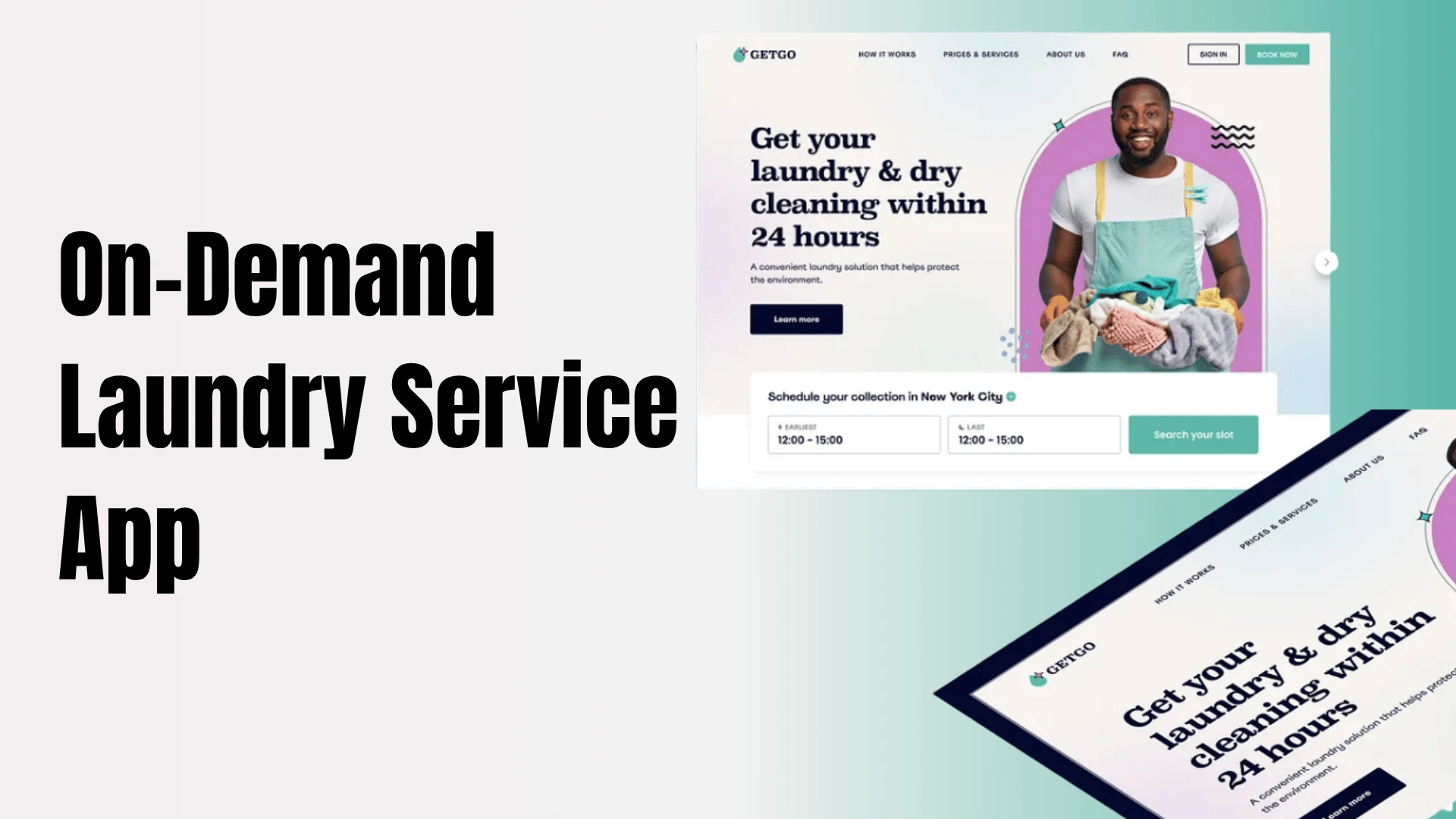
A mobile platform for doorstep laundry pickup and delivery.
Market Snapshot (2026)- Laundry service apps are growing with urban millennials spending $100B+ annually on convenience services globally.
Key Benefits
- Saves time
- Transparent pricing
- Contactless delivery options
Monetization Options
Commission, premium laundry care, and subscription models for frequent users.
AI & Future Opportunities
AI will predict laundry cycles, optimize delivery routes, and integrate fabric care tips.
45. Car Wash On-Demand App
Users book car cleaning and detailing services at their location.
Market Snapshot (2026)- The global car wash service market is expected to reach $45B by 2030, fueled by convenience-based solutions.
Key Benefits
- Saves user time
- Eco-friendly options available
- Mobile payments integrated
Monetization Options
- Service fees
- Premium memberships
- Partner advertising
AI & Future Opportunities- AI can forecast peak demand times, optimize water usage, and suggest maintenance add-ons.
46. Pet Grooming & Care Service App
On-demand grooming, vet checkups, and pet care services at home.
Market Snapshot (2026)- Pet care apps are booming, with the global pet services market projected to hit $500B by 2030.
Key Benefits
- Convenience for pet owners
- Trusted professionals
- Integrated health tracking
Monetization Options
- Booking fees
- Premium care plans
- Partnerships with pet product brands
AI & Future Opportunities- AI can recommend grooming schedules and detect health issues through photo uploads.
47. Moving & Packing Service App
Connects users to professional movers and packers for relocation services.
Market Snapshot (2026)- The moving service industry is growing steadily as urban migration increases globally.
Key Benefits
- Hassle-free relocation
- Secure handling of goods
- Real-time tracking
Monetization Options
- Commission on bookings
- Premium insurance services
- Surge pricing during peak season.
AI & Future Opportunities-AI will optimize truck load planning and route mapping for faster deliveries.
48. Babysitting & Childcare Booking App
Allows parents to book verified babysitters and childcare professionals on demand.
Market Snapshot (2026)- The childcare services market is projected to hit $520B by 2030, with mobile booking apps gaining traction.
Key Benefits
- Trusted caregivers
- Flexible booking options
- Safety through verification
Monetization Options
- Service commission
- Premium nanny subscriptions
- Background check fees
AI & Future Opportunities- AI can predict availability, screen candidates faster, and suggest best-fit caregivers.
49. Fitness Trainer On-Demand App
Connects users to personal trainers for in-home or virtual sessions.
Market Snapshot (2026)- The global personal training market will cross $75B by 2030, with on-demand platforms leading growth.
Key Benefits
- Customized fitness plans
- Flexible scheduling
- Virtual and physical options
Monetization Options
- Commission
- Subscription bundles
- Equipment rental add-ons
AI & Future Opportunities- AI will create adaptive workout plans and real-time posture correction using camera sensors.
50. Event Planner Booking App
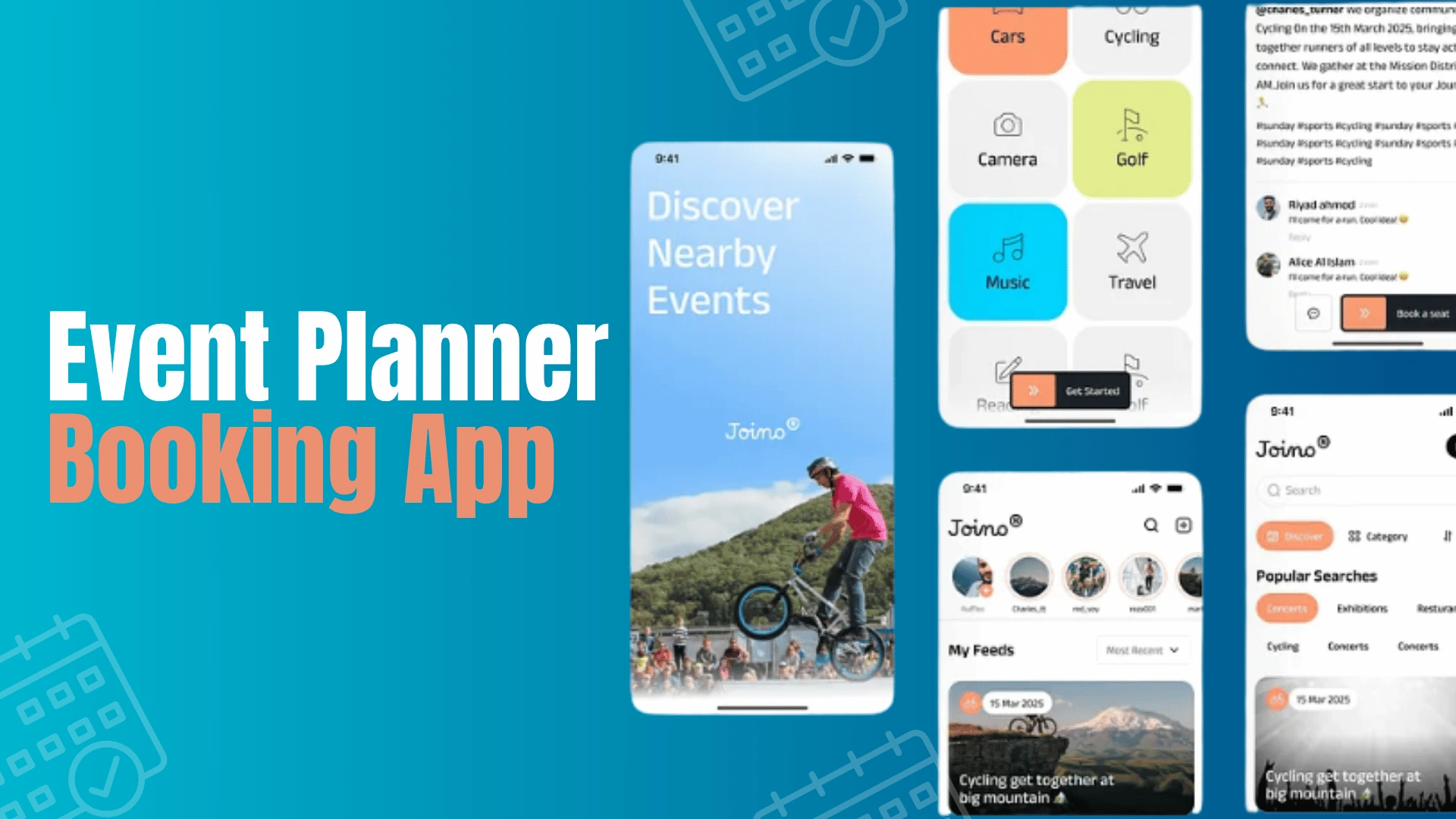
An app that allows users to book event planners, caterers, and decorators for weddings, birthdays, and parties.
Market Snapshot (2026)- The global event planning market will hit $510B by 2030, with apps simplifying vendor booking.
Key Benefits
- Centralized event management
- Verified professionals
- Real-time updates
Monetization Options
- Service commissions
- Featured vendor promotions
- Premium event management tools
AI & Future Opportunities- AI can suggest vendors based on budget, generate checklists, and use predictive analytics to ensure event success.
Entertainment & Lifestyle
51. Music Streaming App
An app that allows users to stream music, create playlists, and discover new songs.
Market Snapshot (2026)
The global music streaming market is projected to reach $103B by 2030, driven by mobile penetration and subscription models.
Key Benefits
- On-demand access to millions of songs
- Personalized recommendations
- Offline listening options
Monetization Options
- Subscription tiers
- Ads for free users
- Artist promotional partnerships
AI & Future Opportunities
AI will generate smart playlists, mood-based recommendations, and even create custom tracks using generative music models.
52. Video Streaming Platform
A mobile platform for streaming movies, TV shows, and live events.
Market Snapshot (2026)- The video-on-demand market is set to hit $257B by 2030, with mobile streaming being the dominant segment.
Key Benefits
- Anytime entertainment
- Multilingual options
- Interactive features like watch parties
Monetization Options
- Subscription plans
- Ads
- Exclusive content paywalls
AI & Future Opportunities
AI-driven content recommendations and real-time streaming quality optimization will enhance user experience.
53. Podcast Streaming App
Provides access to podcasts on various topics, from news to storytelling.
Market Snapshot (2026)- The podcast industry is projected to hit $34B by 2032, making it a fast-growing audio segment.
Key Benefits
- Educational and entertaining
- Hands-free listening
- Wide content variety
Monetization Options
- Ads
- Premium ad-free versions
- Exclusive podcast subscriptions
AI & Future Opportunities- AI will recommend episodes based on listening habits and generate AI-driven podcasts.
54. Live Streaming App for Creators
An app that allows creators to broadcast live video content and engage with audiences in real time.
Market Snapshot (2026)- The live streaming market is projected to grow at ~20% CAGR, reaching $247B by 2027.
Key Benefits
- Real-time interaction
- Global reach for creators
- Monetization through virtual gifts
Monetization Options
- Virtual gifting
- Ad revenue sharing
- Paid subscriptions for exclusive streams
AI & Future Opportunities- AI moderation tools, real-time captioning, and audience analytics for better engagement.
55. Gaming App (Casual & Competitive)
Mobile gaming apps offering casual play or eSports-style competitions.
Market Snapshot (2026)- Mobile gaming revenue is expected to surpass $140B by 2030, dominating the gaming industry.
Key Benefits
- High engagement levels
- Social features increase retention
- Supports ad-based monetization
Monetization Options
- In-app purchases
- Ads
- Premium passes
AI & Future Opportunities
AI can design adaptive game levels, create bots for training, and personalize difficulty.
56. AR-based Interior Design App
Allows users to visualize furniture and décor in their space using augmented reality.
Market Snapshot (2026)- The AR market for interior design is forecasted to grow at 20%+ CAGR as home improvement trends rise.
Key Benefits
- Realistic 3D visualization
- Saves time and cost
- Boosts furniture brand sales
Monetization Options
- Premium AR features
- Affiliate revenue from furniture sales
- Ads
AI & Future Opportunities- AI will recommend layouts, predict design trends, and generate complete interior plans in seconds.
57. Digital Fashion Try-On App
Uses AR to let users virtually try clothes, accessories, and shoes before buying.
Market Snapshot (2026)- Virtual try-on technology adoption is surging, with fashion e-commerce set to hit $1T+ by 2030.
Key Benefits
- Reduces return rates
- Improves customer experience
- Boosts online fashion sales
Monetization Options
- Brand partnerships
- Premium styling suggestions
- Affiliate commissions
AI & Future Opportunities- AI will personalize outfit suggestions and simulate fabric fit based on body scans.
58. Astrology & Horoscope App
Provides daily horoscopes, zodiac compatibility, and personalized astrological readings.
Market Snapshot (2026)- Astrology app revenue crossed $40M annually in the U.S. alone, with global growth continuing.
Key Benefits
- Highly engaging for niche users
- Subscription potential
- Viral social media sharing
Monetization Options
- Premium predictions,
- Personal consultations
- Ad revenue
AI & Future Opportunities- AI will analyze birth charts and deliver hyper-personalized insights using NLP models.
59. Meme Generator & Fun Content App
Lets users create, share, and browse memes, GIFs, and viral content.
Market Snapshot (2026)- Meme-driven apps see huge engagement, with millions of daily active users globally.
Key Benefits
- High shareability
- Quick entertainment
- Low-cost content creation
Monetization Options
- Ads
- Premium templates
- Brand-sponsored memes
AI & Future Opportunities- AI will auto-generate memes from trending topics and user prompts.
60. Virtual Event Platform
Enables users to host and attend virtual events, conferences, and webinars.
Market Snapshot (2026)- The virtual events market will hit $617B by 2030, as hybrid models remain popular.
Key Benefits
- Reduces travel costs
- Scalable audience reach
- Interactive engagement tools
Monetization Options
- Event hosting fees
- Premium tools
- Sponsorships
AI & Future Opportunities- AI will automate event moderation, create networking recommendations, and deliver personalized session highlights.
Productivity, Travel & Utilities
61. Grocery Delivery App
A mobile app that allows users to order groceries from local supermarkets or online stores and get them delivered quickly at their doorstep. It solves the time management problem and offers convenience for urban families and working professionals.
Market Snapshot (2026) – The global online grocery market is projected to reach $1.3 trillion by 2030 (Statista). In India, this segment is expected to grow at 33% CAGR by 2028, driven by urbanization and the rise of quick-commerce platforms.
Key Benefits
- Convenience for customers
- Boosts sales for local retailers
- Real-time stock and delivery tracking
Monetization Options
- Delivery fees per order
- Commission from partner stores
- Premium memberships for free or express delivery
AI & Future Opportunities – AI can power personalized product recommendations, optimize delivery routes for efficiency, and enable predictive ordering based on user purchase history. In the future, voice-enabled grocery lists and AI chatbots for order assistance will become standard features.
62. Voice-Based Note-Taking App
A mobile app that allows users to record voice notes and convert them into organized text for easy reference. It’s ideal for professionals, students, and anyone who prefers quick voice input over typing.
Market Snapshot (2026) – The global speech-to-text market is projected to reach $12.5 billion by 2031, growing at 17% CAGR, driven by productivity apps and AI voice assistants.
Key Benefits
- Fast and hands-free note-taking
- Accurate transcription with AI
- Sync across multiple devices
Monetization Options
- Subscription for unlimited transcription
- Premium features like multi-language support
- In-app ads for free users
AI & Future Opportunities – AI will improve transcription accuracy, summarize notes, and organize them by context. Future updates will include voice commands for app navigation and smart reminders based on note content.
63. Travel Itinerary Planner
An app that helps travellers organize flights, hotel bookings, and local activities in one place. It eliminates the need for multiple apps during trip planning.
Market Snapshot (2026) – The global travel apps market is projected to grow at 11% CAGR and exceed $1.5 billion by 2030, supported by the recovery of tourism and personalized travel solutions.
Key Benefits
- Centralized trip management
- Real-time updates on bookings and weather
- Easy sharing with friends and family
Monetization Options
- Affiliate commissions on hotel/flight bookings
- Premium plans for offline access and advanced planning
- Ads for local attractions and services
AI & Future Opportunities – AI will create personalized itineraries, suggest best routes, and predict cost-effective travel options. By 2030, apps will offer AI-driven virtual trip previews.
64. Social Media Management App
A platform that allows users to schedule, analyze, and manage posts across multiple social media channels in one dashboard.
Market Snapshot (2026) – The social media management market is expected to hit $118 billion by 2030, with brands and creators demanding automation tools.
Key Benefits
- Time-saving bulk scheduling
- Performance analytics for posts
- Multi-account management
Monetization Options
- Subscription-based premium plans
- Ads for social media courses/tools
- Team collaboration features for enterprises
AI & Future Opportunities – AI will auto-generate captions, suggest trending hashtags, and predict engagement levels. Future tools will include AI-driven content calendars and voice-based post scheduling.
65. Habit Tracker & Productivity App
A mobile app that helps users build positive habits and maintain consistency through reminders, streak tracking, and goal-setting tools.
Market Snapshot (2026) – The global productivity app market is projected to grow at 13% CAGR, reaching $150 billion by 2030, as more people prioritize self-improvement.
Key Benefits
- Improves personal productivity
- Motivates users with streaks and rewards
- Syncs with calendars and health apps
Monetization Options
- Premium analytics and habit coaching
- Subscription for unlimited habit tracking
- Brand sponsorship for wellness products
AI & Future Opportunities – AI will analyze user patterns and suggest habit adjustments. Advanced versions will feature predictive habit success scores and adaptive goal planning.
66. Language Translation App
An app that provides real-time text and voice translation to help users communicate globally.
Market Snapshot (2026) – The translation technology market is projected to hit $39 billion by 2030, fueled by globalization and tourism.
Key Benefits
- Real-time voice and text translation
- Supports multiple languages
- Offline translation for remote areas
Monetization Options
- Premium for unlimited translations
- Ads for language learning courses
- Enterprise packages for businesses
AI & Future Opportunities – AI-driven neural machine translation will make translations more accurate. Future apps will integrate voice cloning and instant conversation mode.
67. Carpooling & Ride-Sharing App
An app that helps users share rides to reduce costs and environmental impact.
Market Snapshot (2026) – The global ride-sharing market is expected to reach $344 billion by 2030, with sustainability being a key growth driver.
Key Benefits
- Saves commuting costs
- Reduces traffic congestion and pollution
- Flexible scheduling
Monetization Options
- Commission per ride
- Subscription for priority rides
- In-app advertising for fuel stations or services
AI & Future Opportunities – AI will predict demand hotspots, optimize route sharing, and suggest dynamic pricing based on traffic conditions.
68. Emergency Alert & Safety App
An app that sends SOS alerts with GPS location to emergency contacts and nearby authorities.
Market Snapshot (2026) – The global safety and security app market is growing rapidly due to urban crime concerns and personal safety awareness.
Key Benefits
- One-tap SOS alerts
- Location sharing in real time
- Panic alarms and safe route suggestions
Monetization Options
- Subscription for premium safety features
- Partnerships with insurance companies
- Ads for safety gear and related services
AI & Future Opportunities – AI will predict risk zones using crime data, provide real-time emergency routing, and integrate voice-trigger SOS commands.
69. Virtual Personal Stylist App
A fashion app that recommends outfits based on the user’s wardrobe and occasion.
Market Snapshot (2026) – The virtual fashion market is expected to exceed $50 billion by 2030, with AR/AI dominating personalization trends.
Key Benefits
- Reduces decision fatigue
- Personalized outfit recommendations
- AR-based try-on features
Monetization Options
- Affiliate revenue from fashion brands
- Premium styling advice
- Ads for clothing retailers
AI & Future Opportunities – AI will scan wardrobes and suggest looks, predict fashion trends, and simulate fabric fit using AR.
70. Parking Finder App
An app that helps users locate available parking spots in real-time, reducing the hassle of finding parking in crowded cities.
Market Snapshot (2026) – The smart parking market is projected to reach $13 billion by 2030, fueled by urbanization and IoT adoption.
Key Benefits
- Real-time parking availability
- Integrated payment options
- Route navigation to the nearest spot
Monetization Options
- Subscription for priority reservations
- Ads for nearby services (restaurants, car washes)
- Commission from parking lot owners
AI & Future Opportunities – AI will predict parking availability using traffic and historical data, and integrate voice-enabled booking for drivers.
More Everyday & Niche App Ideas
71. Elderly Care & Companion App
Connects seniors living independently with family, caregivers, and emergency services through medication reminders, fall detection, check-in prompts, and simple video calling.
Market Snapshot (2026) – The elderly care apps market is estimated at roughly $8–9 billion in 2026 and is forecast to grow at a mid-to-high-teens CAGR through the mid-2030s, driven by an aging global population and rising adoption of remote monitoring under expanding home-healthcare programs.
Key Benefits
- Peace of mind for families
- Early detection of health or safety issues
- Reduces loneliness through social check-ins
Monetization Options
- Family subscription plans
- Partnerships with home-healthcare agencies
- Device bundles (wearable panic buttons, sensors)
AI & Future Opportunities – AI can detect behavioral anomalies (missed routines, unusual inactivity), predict fall risk from movement patterns, and power natural voice check-ins for users who struggle with typing.
72. Freelancer Invoicing & Contract App
Lets independent contractors create invoices, track payments, generate contracts, and manage clients from their phone.
Market Snapshot (2026) – The freelance and gig economy continues to expand globally, and demand for lightweight, mobile-first invoicing tools is rising alongside it as more professionals skip desktop accounting software entirely.
Key Benefits
- Faster, professional-looking invoices
- Reduces late payments with automated reminders
- Simple contract templates reduce legal risk
Monetization Options
- Monthly subscription per active client
- Payment-processing fee share
- Premium contract template library
AI & Future Opportunities – AI can auto-draft invoices from calendar entries or chat threads, flag risky contract clauses, and predict which clients are likely to pay late.
73. Room Rental & Roommate Finder App
Helps people find compatible roommates and available rooms based on lifestyle, budget, and location, rather than listing whole apartments.
Market Snapshot (2026) – Rising urban rents and remote-work mobility are pushing more renters toward shared housing, keeping demand steady for roommate-matching platforms in major cities worldwide.
Key Benefits
- Cuts housing costs through shared living
- Compatibility matching reduces roommate conflicts
- Verified listings improve trust and safety
Monetization Options
- Featured listing fees
- Background-check add-ons
- Premium filters and unlimited messaging
AI & Future Opportunities – AI can score roommate compatibility from lifestyle questionnaires, flag potential scam listings, and predict fair rent splits based on room size and amenities.
74. Local Event Discovery App
Surfaces nearby concerts, pop-ups, markets, and community events based on user interests and location.
Market Snapshot (2026) – Local, in-person experiences remain a strong growth category as consumers continue prioritizing “experiences over things,” keeping demand high for hyperlocal discovery tools.
Key Benefits
- Helps small event organizers reach nearby audiences
- Reduces missed local happenings
- Builds community engagement
Monetization Options
- Ticketing commission
- Paid event promotion for organizers
- Sponsored “featured” placements
AI & Future Opportunities – AI can personalize event feeds from past attendance and social signals, and forecast which events are likely to sell out to prompt early bookings.
75. Recipe & Meal Planning App
Helps users plan weekly meals, generate shopping lists, and follow step-by-step recipes based on dietary preferences.
Market Snapshot (2026) – Meal-planning tools remain a consistently popular category within the broader food-tech space as households look to cut grocery waste and simplify weekday cooking decisions.
Key Benefits
- Reduces food waste and grocery overspend
- Simplifies weekly decision-making
- Supports specific diets (keto, vegan, allergy-safe)
Monetization Options
- Premium meal-plan subscriptions
- Grocery-delivery affiliate integration
- Branded recipe partnerships
AI & Future Opportunities – AI can generate weekly plans from pantry inventory, adjust portions automatically, and suggest substitutions for allergies or missing ingredients.
76. Sustainable Living & Carbon Footprint Tracker App
Tracks a user’s estimated carbon footprint from travel, diet, and purchases, and suggests practical ways to reduce it.
Market Snapshot (2026) – Consumer interest in sustainability tracking continues to grow alongside corporate ESG reporting demands, creating a steady market for both personal and enterprise-facing carbon-tracking tools.
Key Benefits
- Builds environmental awareness
- Encourages measurable behavior change
- Appeals to eco-conscious younger demographics
Monetization Options
- Brand partnerships for eco-friendly products
- Premium detailed reporting
- Corporate/employer sustainability programs
AI & Future Opportunities – AI can estimate footprint from receipts and transaction data automatically, and recommend the highest-impact changes a specific user could realistically make.
77. Digital Business Card & Networking App
Replaces paper business cards with a shareable digital profile exchanged via QR code or tap, syncing contacts automatically to CRM tools.
Market Snapshot (2026) – Digital-first networking has accelerated as hybrid work and conference culture normalize contactless exchanges, pushing steady adoption of digital business-card tools among sales and business-development professionals.
Key Benefits
- Eliminates lost paper cards
- Instant CRM syncing
- Trackable engagement (who viewed your card)
Monetization Options
- Team/enterprise subscriptions
- Premium branded card designs
- CRM integration add-ons
AI & Future Opportunities – AI can auto-summarize a new contact’s background before a meeting and suggest personalized follow-up messages after an exchange.
78. Local Volunteer & Community Service App
Matches volunteers with local nonprofits and community projects based on skills, availability, and cause interests.
Market Snapshot (2026) – Volunteering platforms continue to see steady interest as nonprofits digitize recruitment and companies expand employee volunteering programs as part of workplace culture initiatives.
Key Benefits
- Simplifies volunteer recruitment for nonprofits
- Tracks hours for schools or workplace programs
- Builds community connection
Monetization Options
- Nonprofit subscription tiers
- Corporate volunteering-program licensing
- Sponsored cause campaigns
AI & Future Opportunities – AI can match volunteers to the highest-impact opportunities near them and predict which projects are understaffed ahead of time.
79. Vehicle Maintenance & Service Reminder App
Tracks a car’s service history, mileage-based maintenance reminders, and connects users with nearby mechanics.
Market Snapshot (2026) – Rising vehicle ownership costs are pushing more drivers toward preventive maintenance tools that help avoid costly repairs, keeping this a durable niche within the broader automotive-services app space.
Key Benefits
- Prevents costly missed maintenance
- Builds a documented resale-value history
- Connects to trusted local mechanics
Monetization Options
- Mechanic referral commissions
- Premium multi-vehicle tracking
- Parts and service marketplace ads
AI & Future Opportunities – AI can predict likely part failures from mileage and driving patterns, and estimate fair repair pricing to prevent overcharging.
80. Job Search & Resume Builder App
A mobile-first platform for browsing job listings, building resumes, and applying with one tap using saved profiles.
Market Snapshot (2026) – Mobile job searching continues to rise as candidates increasingly browse and apply for roles directly from their phones rather than desktop job boards.
Key Benefits
- Faster applications via saved profiles
- Broader reach for job seekers
- Simplified resume creation for non-experts
Monetization Options
- Employer job-posting fees
- Premium resume review/coaching
- Featured candidate profiles for recruiters
AI & Future Opportunities – AI can tailor a resume automatically to each job description, score application fit, and simulate interview practice sessions.
As businesses digitize recruitment and employee management, HR software is also becoming an important part of modern workforce management, connecting hiring, employee data, workflows, and analytics in one platform.
81. Home Insurance & Warranty Tracker App
Centralizes home insurance policies, appliance warranties, and receipts so users can find coverage details instantly and file claims faster.
Market Snapshot (2026) – As home-ownership costs rise, consumers are increasingly looking for digital tools to organize policies and warranties that would otherwise be scattered across paper files and email inboxes.
Key Benefits
- Faster, better-documented insurance claims
- Prevents missed warranty deadlines
- One place for all home-related paperwork
Monetization Options
- Insurance-provider referral commissions
- Premium document storage
- Extended-warranty upsells
AI & Future Opportunities – AI can scan receipts to auto-log warranties, flag expiring coverage, and pre-fill claim forms from photos of damage.
82. Digital Contract Signing & Document Management App
Lets individuals and small businesses send, sign, and store legal documents securely from their phone.
Market Snapshot (2026) – Digital signature and document workflows continue to expand as more small businesses and freelancers move entirely paperless, particularly for contracts, leases, and service agreements.
Key Benefits
- Faster deal closing
- Secure, auditable signature trail
- Reduces printing and courier costs
Monetization Options
- Per-document or subscription pricing
- Team/enterprise plans
- Template marketplace for common contracts
AI & Future Opportunities – AI can flag unusual or risky clauses before signing, auto-fill recurring contract details, and summarize long agreements in plain language.
83. Personal Library & Book Swap App
Lets users catalog their physical book collection and swap or lend titles with nearby readers.
Market Snapshot (2026) – Community-driven resale and sharing platforms continue gaining traction as readers look for low-cost, sustainable alternatives to buying new books.
Key Benefits
- Free or low-cost access to new titles
- Reduces clutter and waste
- Builds local reading communities
Monetization Options
- Shipping-fee commissions for swaps
- Premium “want list” alerts
- Publisher and bookstore partnerships
AI & Future Opportunities – AI can recommend swap matches based on reading history, and predict which books in a user’s collection are in high local demand.
84. Local Sports League & Pickup Game Finder App
Helps amateur athletes find nearby pickup games, join local leagues, and book courts or fields.
Market Snapshot (2026) – Recreational and amateur sports participation keeps rising post-pandemic, sustaining demand for tools that make organizing casual games and leagues easier than group chats and spreadsheets.
Key Benefits
- Easier team and game organizing
- Fills empty facility time slots
- Builds local sports communities
Monetization Options
- Facility booking commissions
- League management subscriptions
- Sponsored gear and apparel ads
AI & Future Opportunities – AI can balance teams automatically by skill level, predict optimal game times from player availability, and recommend nearby games matching a user’s skill tier.
85. Neighborhood Safety & Community Watch App
A hyperlocal app where residents share safety alerts, lost-pet notices, and suspicious-activity reports for their immediate neighborhood.
Market Snapshot (2026) – Community-safety and hyperlocal social apps remain popular in suburban and urban neighborhoods as residents look for more immediate, localized alternatives to citywide news and official channels.
Key Benefits
- Faster local safety awareness
- Strengthens neighborhood connection
- Complements, not replaces, official emergency services
Monetization Options
- Local business sponsorships
- Premium alert radius/notifications
- Partnerships with home-security providers
AI & Future Opportunities – AI can filter and verify reports to reduce false alarms, cluster related incidents, and surface genuinely relevant alerts instead of noisy feeds.
Next-Generation App Ideas: AI at the Core
AI is already powering smarter apps, but many businesses struggle with chatbots that guess instead of knowing. To see how a real enterprise solution works, watch how AleaIT Solutions built a custom enterprise AI chatbot designed to earn trust, reduce hallucinations, and convert real leads.
86. AI Image Recognition Shopping App
Point your camera at any product, outfit, or piece of furniture in the real world and instantly get matching or similar items to buy online.
Market Snapshot (2026) – Visual search is becoming a standard feature across major e-commerce and search platforms, reflecting fast-growing consumer comfort with “search by photo” over typed queries.
Key Benefits
- Removes friction from “what is this, where can I buy it” moments
- Higher purchase intent than text search
- Works across categories: fashion, décor, electronics
Monetization Options
- Affiliate commissions on matched products
- Retailer placement fees
- Premium style-matching subscriptions
AI Core – Computer vision models identify objects, colors, patterns, and styles in real time, then match them against a live product catalog using visual embeddings rather than keywords.
87. AI Virtual Makeup & Skincare Try-On App
Uses the phone camera to realistically preview makeup looks and simulate skincare product results before purchase.
Market Snapshot (2026) – Beauty brands are investing heavily in AR/AI try-on tools as a way to cut return rates and boost online conversion, making this a proven, revenue-generating category rather than a novelty.
Key Benefits
- Reduces returns from color/shade mismatches
- Builds purchase confidence online
- Fun, shareable social content
Monetization Options
- Brand licensing and placement fees
- Affiliate commissions
- Premium skin-analysis reports
AI Core – Facial landmark detection maps makeup application in real time, while generative models simulate longer-term skincare effects based on skin-type analysis.
88. AI-Powered Resume & Interview Coach App
Reviews resumes against specific job postings and runs realistic mock interviews with real-time feedback on answers, tone, and pacing.
Market Snapshot (2026) – Job seekers are increasingly turning to AI tools to prepare for competitive hiring processes, especially as more employers themselves use AI in initial screening creating demand on both sides of the hiring funnel.
Key Benefits
- Personalized, on-demand interview practice
- Data-driven resume improvements
- Builds candidate confidence
Monetization Options
- Subscription for unlimited mock interviews
- One-time resume optimization packages
- B2B licensing to universities and career centers
AI Core – Large language models generate role-specific interview questions and score spoken answers, while resume-parsing models benchmark content against real job description keywords and structure.
89. AI Voice Cloning & Dubbing App
Lets creators translate and dub their own videos into other languages while preserving their actual voice and speaking style.
Market Snapshot (2026) – Cross-border content consumption keeps growing, and creators/studios increasingly need affordable, fast dubbing that doesn’t sacrifice authenticity a gap traditional voice-over production is too slow and expensive to fill at scale.
Key Benefits
- Opens content to global, non-English audiences
- Preserves the creator’s authentic voice
- Far cheaper and faster than studio dubbing
Monetization Options
- Per-minute processing fees
- Creator subscription tiers
- Enterprise licensing for media companies
AI Core – Voice-cloning models learn a speaker’s vocal characteristics, then synthesize new-language audio synced to lip movement using translation and speech-generation models together.
90. AI-Generated Art & Design App
Lets users generate custom artwork, logos, or design mockups from text prompts and reference images, directly on mobile.
Market Snapshot (2026) – Generative image tools have moved from novelty to mainstream creative workflow, with independent creators and small businesses using them for everything from social content to branding.
Key Benefits
- Removes the cost barrier to custom design
- Fast iteration on creative concepts
- Useful for both hobbyists and small businesses
Monetization Options
- Credit-based generation pricing
- Subscription for high-resolution/commercial-use exports
- Marketplace for selling generated designs
AI Core – Diffusion-based generative models create images from text and reference-image prompts, with fine-tuning options so users can generate consistent styles or characters.
91. AI Legal Document Analyzer App
Scans contracts, leases, and terms-of-service documents and explains risky clauses, unusual terms, and obligations in plain language.
Market Snapshot (2026) – Legal-tech tools that make contract review accessible to non-lawyers are gaining traction among freelancers, small businesses, and renters who otherwise can’t afford legal review for routine agreements.
Key Benefits
- Makes legal review accessible and affordable
- Flags risk before signing, not after
- Saves time versus reading dense legal text
Monetization Options
- Per-document or subscription pricing
- Referral fees to actual lawyers for complex cases
- B2B licensing to small-business platforms
AI Core – Language models trained on legal text extract and classify clauses, compare them against standard/fair-market terms, and generate plain-language risk summaries while always directing complex cases to a licensed professional.
92. AI-Powered Skin Analysis App
Analyzes photos of skin to flag moles or spots worth a dermatologist’s attention and tracks changes over time.
Market Snapshot (2026) – Teledermatology and AI-assisted skin screening continue to expand as a way to extend limited dermatologist availability, particularly for early at-home flagging of concerning changes.
Key Benefits
- Encourages earlier professional consultation
- Tracks changes over time automatically
- Extends access in areas with few dermatologists
Monetization Options
- Subscription for ongoing tracking
- Telederm consultation referral fees
- Partnerships with skincare brands
AI Core – Computer vision models trained on dermatological imaging assess lesion characteristics (asymmetry, border, color, size change) and flag results for professional review positioned clearly as a screening aid, not a diagnosis.
93. AI Real Estate Valuation & Property Scanner App
Point the camera at a property and get an instant condition assessment, renovation cost estimate, and comparable-sales valuation.
Market Snapshot (2026) – AI-driven property valuation (“automated valuation models”) are increasingly used by both consumers and lenders, as real estate platforms compete to give buyers instant, data-backed price confidence.
Key Benefits
- Instant, data-backed price estimates
- Helps buyers spot renovation needs early
- Useful for both buyers and investors
Monetization Options
- Lead-generation fees to agents and lenders
- Premium detailed condition reports
- Renovation-contractor referral commissions
AI Core – Computer vision assesses visible property condition from photos/video, combined with predictive models trained on comparable sales, local trends, and renovation cost data.
94. AI-Powered Personal Finance Advisor App
Goes beyond expense tracking to give conversational, personalized financial guidance — from “can I afford this?” to long-term investment planning.
Market Snapshot (2026) – Consumer demand for accessible financial guidance keeps rising as traditional advisory services remain out of reach for most retail savers, pushing growth in AI-assisted “robo-advisory” style tools.
Key Benefits
- Democratizes financial advice beyond wealthy clients
- Available 24/7 for real-time decisions
- Learns and adapts to a user’s actual habits
Monetization Options
- Subscription tiers by advice complexity
- Assets-under-management fees for investing features
- Financial-product referral commissions
AI Core – Language models combine a user’s real transaction data with financial-planning logic to answer conversational questions, while clearly disclosing they don’t replace a licensed financial advisor for major decisions.
95. AI Video Editing & Auto-Highlight App
Automatically edits raw footage into polished short clips trimming dead space, adding captions, and picking the best highlights.
Market Snapshot (2026) – Short-form video remains the dominant content format across platforms, driving strong demand for tools that let creators produce polished clips without manual editing skills.
Key Benefits
- Cuts editing time from hours to minutes
- Levels the playing field for non-professional creators
- Consistent output quality
Monetization Options
- Subscription for unlimited exports
- Watermark-removal upgrade
- Template and effects marketplace
AI Core – Models analyze footage for motion, audio energy, and faces to identify “highlight-worthy” moments, auto-generate captions via speech recognition, and apply pacing edits automatically.
96. AI Recipe Generator App
Take a photo of what’s in your fridge or pantry and get recipe suggestions using only what you already have.
Market Snapshot (2026) – Food-waste reduction and budget-conscious cooking remain strong consumer priorities, and “cook with what you have” tools are a natural fit for AI-driven personalization.
Key Benefits
- Cuts food waste and grocery spend
- Removes the “what’s for dinner” decision fatigue
- Adapts to dietary restrictions automatically
Monetization Options
- Premium recipe collections
- Grocery-delivery affiliate integration for missing items
- Meal-kit brand partnerships
AI Core – Computer vision identifies ingredients from photos, and generative models produce complete recipes matched to what’s available plus a user’s dietary preferences and skill level.
97. AI Wellness Companion App
Analyzes voice tone, typed journal entries, or optional facial cues to track emotional patterns over time and suggest coping strategies.
Market Snapshot (2026) – Digital mental-wellness tools continue to see strong adoption as a complement (not replacement) to professional care, with growing interest in passive, low-effort mood tracking.
Key Benefits
- Surfaces patterns users might not notice themselves
- Low-effort tracking (voice/text vs. manual logging)
- Can prompt earlier professional support when needed
Monetization Options
- Subscription for advanced pattern insights
- Employer/insurer wellness program licensing
- Therapist-referral partnerships
AI Core – Sentiment and tone-analysis models process journal entries or voice recordings to detect emotional trends, with built-in escalation logic that directs users toward crisis resources or professional care when warning signs appear this app supports self-awareness and never attempts to diagnose.
98. AI Code Review & Debugging Assistant App
A mobile companion that lets developers snap a photo of code, paste a snippet, or connect a repo to get instant bug explanations and fix suggestions on the go.
Market Snapshot (2026) – AI coding assistants have become a standard part of developer workflows, and demand is extending from desktop IDEs into lightweight mobile review and learning tools.
Key Benefits
- Speeds up debugging outside the IDE
- Useful for learning and code review on the go
- Lowers the barrier for junior developers
Monetization Options
- Developer subscription tiers
- Team/enterprise repo integration plans
- Educational content upsells
AI Core – Code-specialized language models parse snippets or repositories, explain likely bugs in plain language, and propose tested fix suggestions along with reasoning.
99. AI Music Composition App
Lets users generate original background music, jingles, or full songs from a text description or hummed melody royalty-free and ready to use.
Market Snapshot (2026) – Demand for affordable, royalty-free custom music is rising fast among content creators and small businesses who need soundtracks but can’t afford licensing or composers.
Key Benefits
- Affordable custom music for creators and small brands
- No licensing headaches (royalty-free by design)
- Fast iteration on mood and style
Monetization Options
- Credit-based generation pricing
- Subscription for commercial-use licensing
- Marketplace for selling generated tracks
AI Core – Generative audio models compose original melodies, harmonies, and full arrangements from text prompts or a hummed reference, tuned to genre, mood, and length.
100. AI-Powered Autonomous Customer Support Agent App
Gives small businesses a fully AI-run customer support agent handling chat, order questions, and refunds that plugs into their existing store or booking system.
Market Snapshot (2026) – Small businesses increasingly want enterprise-grade customer support without enterprise staffing costs, driving strong demand for AI agents that can resolve routine queries autonomously and escalate only when needed.
Key Benefits
- 24/7 support without hiring a full team
- Consistent, fast responses to routine questions
- Frees staff to handle complex or sensitive cases
Monetization Options
- Per-conversation or subscription pricing
- Tiered plans by integration complexity
- Add-on modules (returns, scheduling, upsells)
AI Core – Language models handle conversational support end-to-end, connected to a business’s order and policy data via tool integrations, with confidence-based escalation to a human agent whenever a query falls outside safe automated resolution.

Future Trends in Mobile App Development
| Trend | Description |
| AI Everywhere | Smarter apps with predictive, automated, and personalized features. |
| AR/VR Integration | Immersive shopping, gaming, and education experiences. |
| IoT Connectivity | Apps controlling smart homes, cars, and wearable devices. |
| 5G Technology | Faster, low-latency apps for streaming, gaming, and real-time services. |
| Voice Interfaces | Growth in voice search, voice-based commands, and hands-free experiences. |
Read Also: Top Mobile App Development Trends
Common Challenges in Mobile App Development (and How to Overcome Them)
- Security Risks: Implement robust encryption, multi-factor authentication, and regular security audits.
- Scalability Issues: Use cloud-based infrastructure and microservices architecture to handle growth.
- User Engagement: Design intuitive UI/UX and integrate gamification to retain users.
- High Competition: Focus on niche markets and integrate AI-driven features to stand out.
- Performance Optimization: Leverage lightweight frameworks and conduct extensive testing for speed and stability.
By addressing these challenges early, app developers can ensure long-term app success.
Conclusion: Turn Your Idea into a Successful Mobile App in 2026
The mobile app industry is entering its most dynamic phase yet. With billions of smartphone users and advancements in AI, AR/VR, IoT, and 5G, the opportunities for innovation are limitless. Apps are no longer just tools they are integral to how people shop, learn, work, and connect.
What makes 2026 the perfect time? Lower development barriers, wider market reach, and technologies that enable personalization and automation at scale. AI is the game-changer helping apps learn from user behavior, predict trends, and deliver exceptional experiences.
If you’ve been waiting for the right moment to launch your app idea, the time is now. With the right strategy and AI integration, your app could be the next big success story in the booming app economy. Start small, innovate big, and leverage emerging trends with the help of expert mobile app development services to make your vision a reality.
FAQs
1. What are the most promising mobile app trends for 2026?
In 2026, trends like AI-powered apps, AR/VR integration, voice assistants, 5G-enhanced features, super apps, and blockchain-backed security are shaping mobile development. These trends ensure better personalization, immersive experiences, and faster performance.
3. How do I choose the right mobile app idea?
Focus on solving real-world problems, analyzing market gaps, and studying user needs. Apps related to healthcare, AI-driven personal assistants, e-commerce, and finance are trending in 2026 and offer long-term potential.
4. Do I need coding skills to develop a mobile app?
Not necessarily. No-code and low-code platforms like Adalo, Glide, or Bubble allow non-technical entrepreneurs to create apps. However, hiring mobile app development company usa or learning basic coding is beneficial for complex projects.
5. What technologies are essential for 2026 mobile apps?
Key technologies include AI/ML algorithms, AR/VR frameworks, blockchain security, 5G networks, and cross-platform development tools like Flutter and React Native for building scalable apps.
6. How much does it cost to develop a mobile app in 2026?
Costs vary depending on features, complexity, and platform. On average, a simple app costs $10,000–$30,000, while advanced AI/AR apps may range from $50,000–$200,000. Using MVP (Minimum Viable Product) strategies can reduce initial expenses.
7. How can I monetize a mobile app?
Popular monetization methods include freemium models, in-app purchases, subscriptions, advertising, affiliate marketing, and premium versions. Apps that provide unique value and solve specific problems can achieve sustainable revenue.












One thought on “100 Mobile App Development Ideas for 2026 ”
Comments are closed.