
From 3 Weeks to 1 Week: AI...
Built a multi-channel AI recruitment agent combining automated phone screening, predictive attrition modeling, and multilingual...
View Case Study




The client is a running app offering route tracking, pace analysis, and training plans, competing in a crowded fitness app market where retention past the first month is the hardest problem to solve. The app had strong individual tracking features but no meaningful social or community layer, and most users who already had a Strava habit saw little reason to also open a second, disconnected app.
The client’s core retention problem wasn’t the quality of its run-tracking it was that running alone, in an app with no social layer, gives users little reason to keep coming back once the novelty wears off. Meanwhile, most serious runners already had Strava open daily for exactly that social layer. AleaIT designed and built a community platform that integrates directly with Strava, pulling in a user’s existing running data and social graph while adding group challenges, leaderboards, and club features that gave users a reason to stay active in the app itself, not just sync to it.

Strava API + Activity Data Sync

Clubs, Group Challenges & Activity Feed

Live Leaderboards & Challenge Updates

4.5× Increase in Weekly Active Users
The goal wasn’t just to add social features to the running app. We needed to make those features useful enough that runners had a reason to come back every week. We connected Strava with the app and built the community features around the way runners already track, compete, and interact.
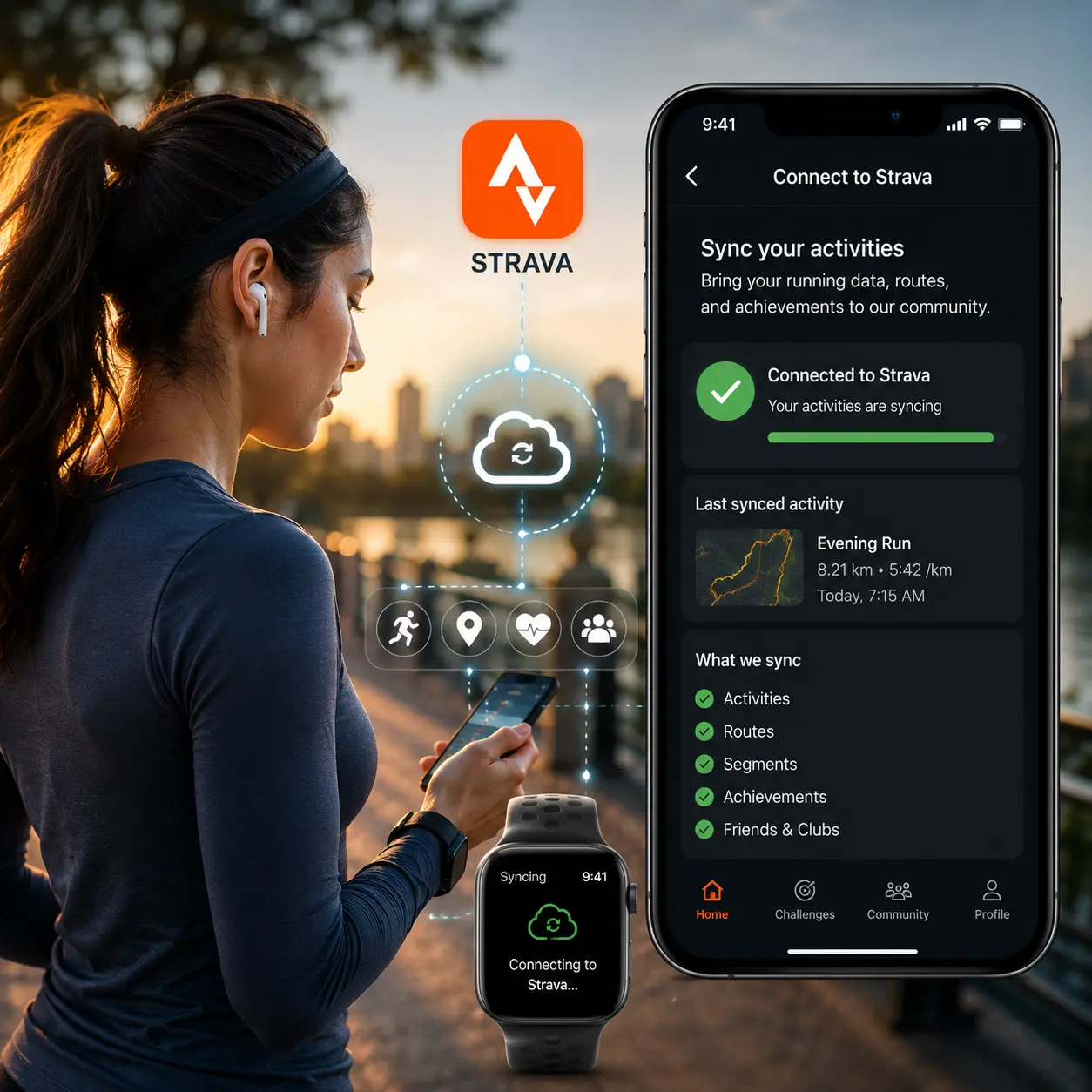
We connected the app with Strava so users could bring their existing running activity into the platform. This meant they could keep using Strava while also taking part in the new community features.
We built clubs, group challenges, activity feeds, and social interactions so users could see what other runners were doing and take part in shared goals.
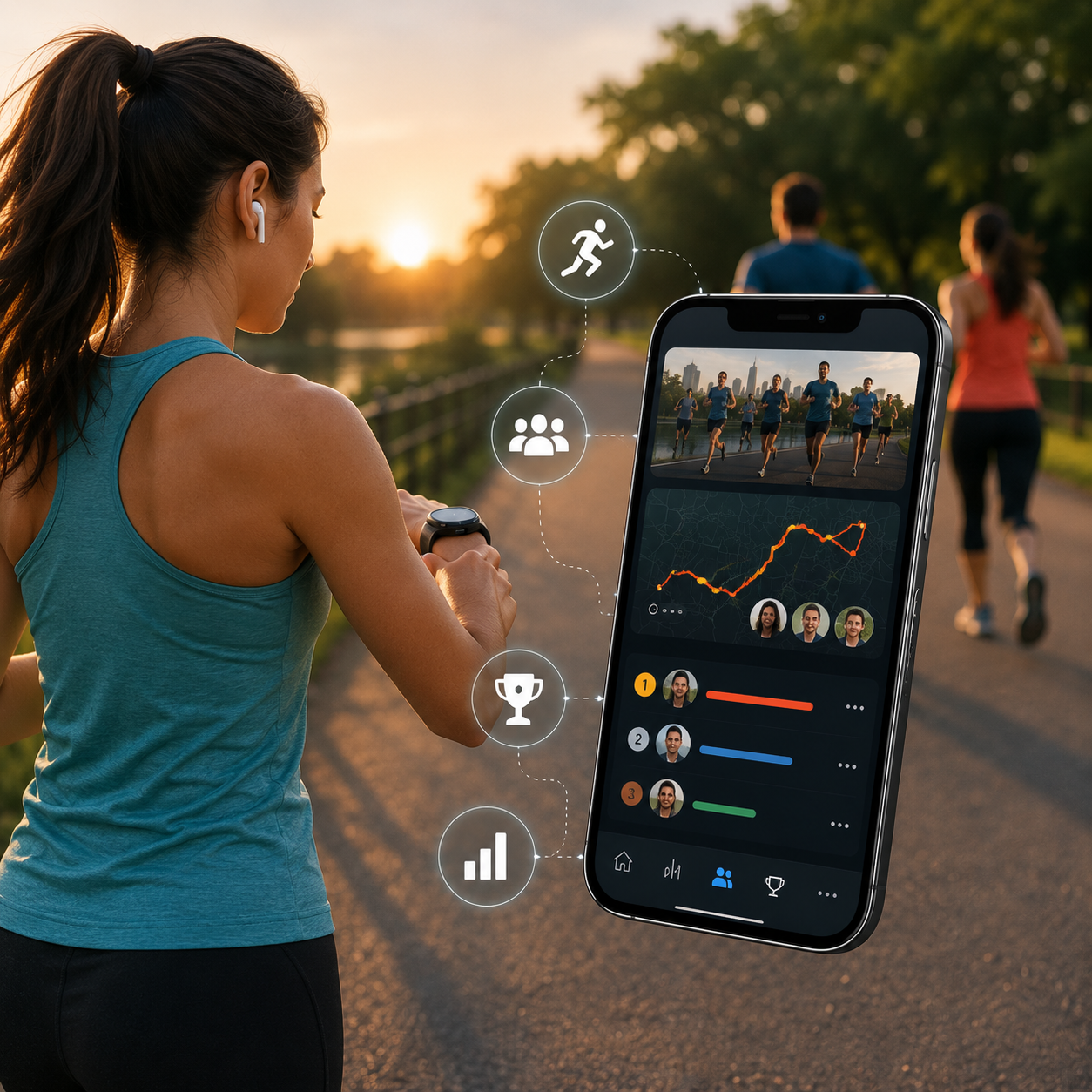
We built a system that updates rankings and challenge progress as new running activity comes in. This made competitions feel active instead of waiting for delayed updates.
We added a live activity feed where users could see runs, achievements, and activity from friends and clubs. This gave users something new to check even when they weren’t running themselves.
As more runners connected their Strava accounts, the platform needed to handle more activity data without slowing down. We moved the syncing process to an asynchronous setup with rate-limit handling to keep things running smoothly.

We built recurring challenges, group goals, and club activity around the points where users were most likely to stop using the app. The aim was to give runners a reason to return regularly, rather than relying only on workout tracking.
The client’s lack of a social layer created a retention ceiling that individual tracking features alone couldn’t fix. AleaIT’s engagement addressed each challenge through a community-first platform architecture built around Strava integration.
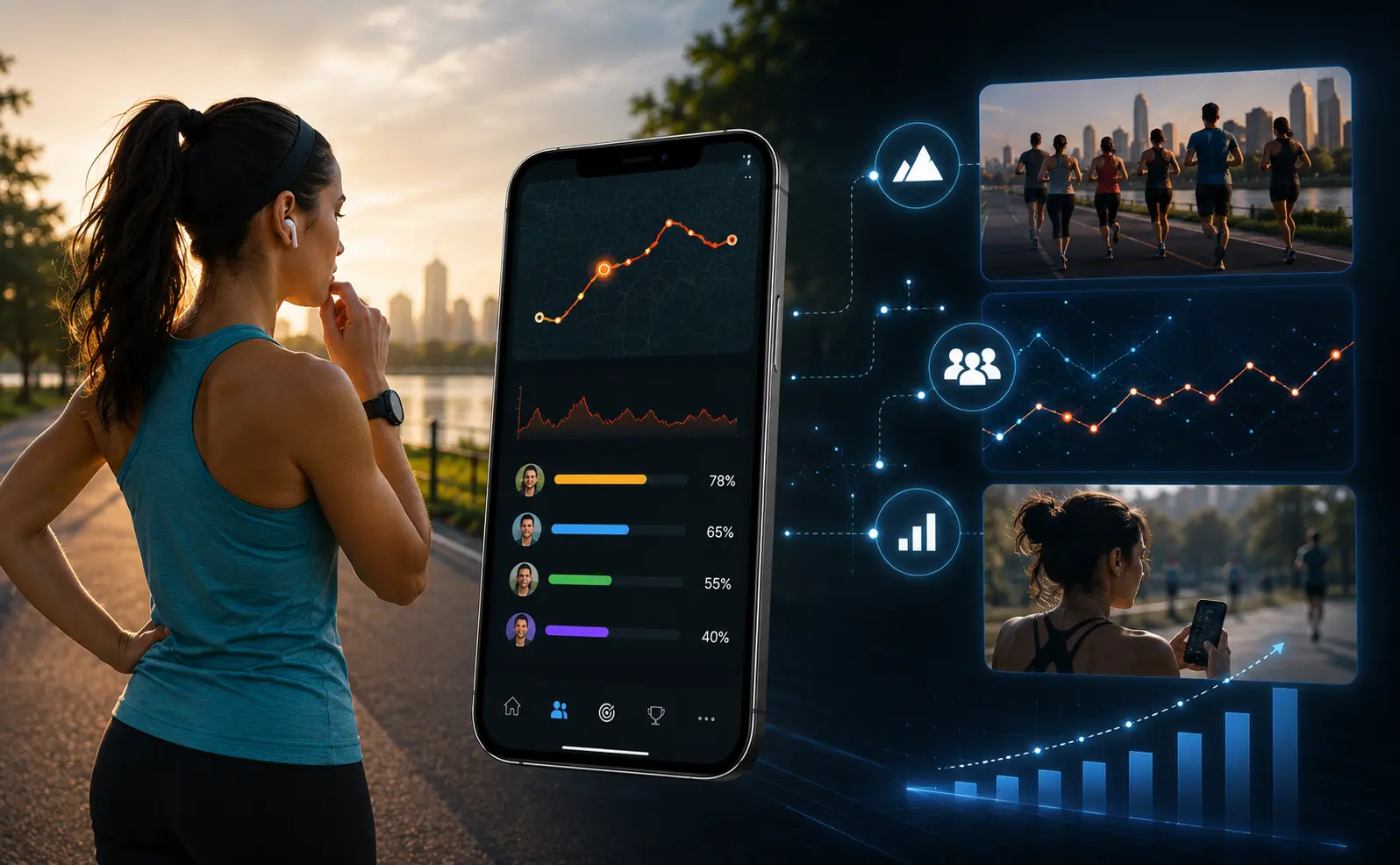
AleaIT built group challenges and club features that create recurring reasons to open the app weekly mileage goals, group leaderboards, and challenge deadlines that bring users back on a schedule rather than sporadically.
Once the novelty of tracking a first few runs wore off, the app had nothing pulling users back no social pressure, no shared goals, no visibility into what other users were doing.
Many target users already logged runs to Strava daily for its social features, making a separate, disconnected tracking app feel redundant rather than additive.
AleaIT built a Strava API integration that syncs a user’s existing activity data and connections directly into the app, so users don’t have to choose between platforms their Strava habit feeds the new community features automatically.
The app had no activity feed or social visibility, so users had no sense of momentum or community even if friends were also using the app.
AleaIT built a real-time activity feed pulling from both in-app runs and synced Strava activity, so users see friend and club activity as it happens, reinforcing the sense of an active community.
Early prototypes updated standings on a batch delay, so leaderboards felt stale and challenge progress didn’t reflect a run someone had just completed.
AleaIT built a near-real-time processing pipeline for incoming activity data, so leaderboard and challenge standings update within moments of a run being logged or synced from Strava.
The original challenge feature only supported small manually-created groups, with no way to run app-wide or public challenges that could drive broader community engagement.
AleaIT built a scalable challenge framework supporting everything from small private groups to large public challenges, with leaderboard segmentation so users compete at the scale that’s meaningful to them.
As more users connected Strava accounts, syncing activity and social graph data at scale began slowing down app performance during peak usage windows.
AleaIT re-architected the data pipeline for asynchronous, queued syncing with rate-limit-aware handling of the Strava API, keeping app performance stable as the connected user base grew.
The Strava-integrated community platform delivered measurable improvements across engagement, retention, and app usage.
Group challenges, leaderboards, and the real-time activity feed gave users recurring reasons to open the app beyond individual run tracking.
Community and social features closed the retention gap that had previously appeared once the novelty of individual tracking wore off.
Deep, low-friction Strava integration removed the choice between platforms, driving significantly higher adoption among users who already had an existing Strava habit.
AleaIT served as the end-to-end community platform partner, from Strava integration through the real-time social features themselves, throughout the engagement.
Analyzed existing drop-off points in the user journey to define where community features would have the most impact on retention.
Built the integration syncing activity data, segments, and social connections directly from Strava into the app.
Designed and built the group challenges, clubs, leaderboards, and real-time activity feed.
Built the asynchronous, rate-limit-aware data pipeline supporting real-time leaderboard updates at scale.
Hire dedicated developers & shape your business journey with our top-rated website & mobile app development services.