The demand for goal tracking and productivity apps is growing rapidly as individuals and businesses increasingly rely on digital tools to manage objectives and improve performance. With the rising focus on personal development, habit building, and workplace productivity, goal management platforms have become essential for tracking progress and maintaining accountability.
Market trends reflect this shift, with the global productivity apps market surpassing $12 billion in 2024 and expected to grow steadily in the coming years.
Additionally, the goal and habit tracking app market is projected to grow at a CAGR of over 14% through the next decade, driven by increasing adoption of digital productivity solutions across both personal and enterprise environments.
What Is a Goal Tracking App?
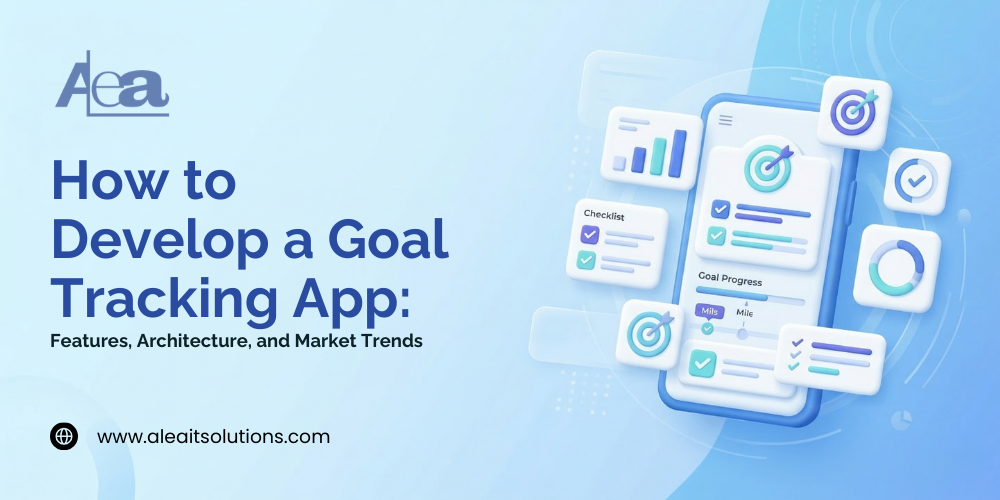
A goal tracking app is a digital productivity tool that helps users set, organize, and monitor personal or professional goals in a structured way. These applications allow individuals and teams to define measurable objectives, break them into smaller tasks or milestones, and track progress over time.
A well-designed goal tracking app helps users achieve measurable outcomes by providing features such as progress dashboards, automated reminders, performance analytics, and habit tracking systems.
By offering clear visibility into goal progress and consistent motivation through notifications and insights, goal tracking apps enable users to stay focused, maintain accountability, and successfully accomplish their short-term and long-term objectives.
Global Growth of Goal Tracking Apps
The goal tracking app development market is growing rapidly as individuals and businesses increasingly adopt digital tools to manage personal goals, productivity, and performance tracking. Mobile app statistics show a steady rise in the adoption of goal management platforms, as organizations look for smarter ways to monitor progress, improve accountability, and enhance productivity.
Industry reports indicate that the global goal tracking software market is expected to reach nearly USD 4.2 billion by 2030, growing at a CAGR of around 13–14%. This growth is driven by the rising adoption of productivity apps, AI-powered analytics, and mobile-based performance management solutions.
Modern goal tracking applications now integrate advanced features such as progress analytics, automated reminders, and data-driven insights that help users measure achievements, monitor progress, and improve overall efficiency.
Types of Goal Tracking Applications
Goal tracking applications are designed to support different user needs, from personal productivity and habit building to enterprise performance management.
Depending on the purpose, a goal tracking app may include specialized features that help users set measurable objectives, monitor progress, and improve consistency in achieving goals.
Understanding the different types of goal tracking applications helps businesses choose the right development approach based on their target audience and use case.
1. Personal Goal Tracking Apps
Personal goal tracking apps help individuals set and monitor personal objectives such as learning new skills, improving productivity, or achieving career milestones.
A personal goal tracking app typically includes features like goal setting, milestone tracking, reminders, and progress dashboards to help users stay motivated and accountable.
2. Habit Tracking Apps
Habit tracking apps are designed to help users build and maintain consistent daily routines. These goal tracking apps for habit management allow users to track activities such as reading, exercising, or meditation while using features like streak tracking, daily reminders, and progress charts to encourage long-term habit formation.
3. Fitness and Wellness Goal Apps
Fitness and wellness goal apps focus on helping users achieve health-related goals such as weight management, workout consistency, and overall wellness improvement. Many fitness goal tracking apps integrate with wearable devices and health platforms to monitor physical activity, calories burned, and other health metrics.
4. Financial Goal Tracking Apps
Financial goal tracking apps help users manage and achieve financial objectives such as saving money, budgeting expenses, or paying off debt.
These financial goal tracking apps provide spending analysis, savings progress visualization, and financial insights to help users make informed financial decisions. By leveraging finance development services, businesses can create feature-rich, secure, and personalized financial goal tracking apps that cater to users’ unique needs.
5. Professional Goal Tracking Apps
Professional goal tracking apps are designed to help individuals manage career objectives such as skill development, performance improvement, and project milestones. These apps often include productivity dashboards, task tracking, and performance analytics to support professional growth.
6. Educational Goal Tracking Apps
Educational goal tracking apps are used by students and educators to set academic goals, track study progress, and manage learning milestones. Features often include study planners, assignment tracking, and progress analytics to improve academic performance.
7. Gamified Goal Tracking Apps
Gamified goal tracking apps use game-like elements such as rewards, levels, points, and achievements to motivate users to complete tasks and maintain goal consistency. This approach increases engagement by making goal achievement more interactive and enjoyable.
8. Team and Enterprise Goal Management Platforms
Team and enterprise goal management platforms are designed for organizations to track team performance and align employee objectives with business strategies.
These enterprise goal tracking platforms often support frameworks like OKRs (Objectives and Key Results) and provide analytics dashboards, collaboration tools, and performance monitoring features to improve organizational productivity.
Key Features of a Goal Tracking App
A successful goal tracking app must include features that help users set clear objectives, monitor progress, and stay motivated throughout their journey. These features not only improve user engagement but also ensure that individuals and teams can efficiently track and achieve their goals.
1. Goal Creation and Customization
Goal creation is the core functionality of any goal tracking app. Users should be able to create personalized goals, define timelines, set milestones, and categorize objectives based on priority or type.
2. Progress Tracking Dashboards
Progress tracking dashboards provide users with a visual overview of their goal completion status. Charts, progress bars, and performance indicators help users easily monitor their achievements and stay focused on their targets.
3. Task and Habit Integration
Integrating tasks and daily habits within a goal tracking app allows users to break larger goals into manageable actions. This helps users maintain consistency and gradually move toward achieving long-term objectives.
4. Smart Reminders and Notifications
Smart reminders and notifications help users stay accountable by sending alerts for pending tasks, upcoming milestones, or missed activities. These reminders encourage users to remain consistent in working toward their goals.
5. Performance Analytics
Performance analytics provide insights into goal progress, habit consistency, and overall productivity. By analyzing user data, a goal tracking app can help users understand their performance patterns and make improvements to achieve better results.
How AI is Transforming Goal-Tracking Apps
Artificial Intelligence is enhancing modern goal tracking apps by enabling intelligent automation, predictive insights, and personalized recommendations. By integrating AI technologies, these platforms can analyze user behavior, predict goal outcomes, and provide adaptive suggestions to improve productivity and goal completion rates.
1. AI-Powered Goal Recommendations
AI algorithms analyze user activity, past performance, and engagement patterns to suggest realistic and personalized goals aligned with individual productivity habits.
2. Predictive Progress Analytics
Machine learning models evaluate historical data to predict the likelihood of goal completion and alert users about potential delays or missed milestones.
3. Intelligent Habit Pattern Analysis
AI-driven analytics identify behavioral trends and habit patterns, helping users optimize schedules and improve consistency in achieving their goals.
4. Smart Notification and Reminder Systems
AI-powered reminders adjust timing and frequency based on user engagement, ensuring notifications are delivered when users are most likely to respond.
5. Natural Language Goal Input
Using Natural Language Processing (NLP), users can create goals through voice or text commands, while the system automatically organizes and structures them.
6. Automated Progress Reporting
AI systems generate real-time progress reports by analyzing goal completion data and user activities, providing insights that help users improve their performance.
Technologies Used for Goal Tracking App Development
Developing a scalable goal tracking app requires a reliable technology stack that supports real-time progress tracking, secure data storage, and advanced analytics.
The right combination of frontend, backend, cloud, and AI technologies helps ensure smooth performance and an engaging user experience.
1. Frontend Technologies
Frontend technologies manage the user interface and interaction within the app. Common technologies used in goal tracking app development include:
- React Native – Cross-platform mobile development
- Flutter – High-performance UI framework
- Swift – Native iOS application development
- Kotlin – Native Android application development
2. Backend Frameworks
Backend frameworks handle application logic, APIs, data processing, and authentication systems.
- Node.js – Scalable server-side development
- Django – Python-based backend framework
- Flask – Lightweight backend framework
- Spring Boot – Enterprise-grade Java framework
3. Cloud Infrastructure
Cloud platforms provide scalability, secure data storage, and real-time synchronization.
- Amazon Web Services (AWS)
- Google Cloud Platform (GCP)
- Microsoft Azure
4. AI and Analytics Tools
AI and analytics tools enable intelligent insights and user behavior analysis in goal tracking apps.
- TensorFlow – Machine learning model development
- PyTorch – AI and deep learning framework
- Google Analytics – User activity tracking
- Mixpanel – Behavioral analytics and engagement tracking
Android vs iOS Development for Goal Tracking Apps
|
Aspect |
Android |
iOS |
| Languages | Kotlin, Java | Swift, Objective-C |
| Development Tools | Android Studio | Xcode |
| User Base | Larger global audience | Higher spending users |
| UI Design | Material Design | Human Interface Guidelines |
| Device Ecosystem | Wide device variety | Limited devices |
| App Approval | Faster publishing | Strict review process |
| Monetization | Strong ad revenue | Higher subscription and in-app purchases |
Goal Tracking App Development Process and Costing
Developing a goal tracking app involves multiple stages, each contributing to the overall development timeline and app development cost. The table below outlines the key steps involved in the development process along with their estimated costs.
Development Stage |
Description |
Estimated Cost |
Market Research |
Analyzing target users, studying competitors, and identifying key features required for the goal tracking app. | $2,000 – $5,000 |
Feature Planning |
Defining core functionalities such as goal creation, progress tracking, reminders, dashboards, and analytics. | $3,000 – $7,000 |
UI/UX Design |
Creating wireframes, prototypes, and intuitive interfaces to ensure a smooth user experience. | $5,000 – $12,000 |
MVP Development |
Building the Minimum Viable Product with essential features like goal setting, task tracking, and notifications. | $15,000 – $40,000 |
Testing and Deployment |
Conducting performance testing, fixing bugs, and deploying the app to app stores. | $3,000 – $8,000 |
Total Estimated Cost: A complete app development of Goal Tracking App typically ranges between $30,000 and $80,000, depending on feature complexity, technology stack, and platform requirements.
Real World Goal Tracking Apps and Their Niches
Goal Tracking App |
Niche / Best For |
Key Capability |
Habitica |
Gamified goal tracking | Uses RPG-style rewards and levels to motivate users to complete goals and habits. |
Strides |
Personal goal analytics | Provides multiple tracking methods and visual progress charts for personal goals. |
GoalsOnTrack |
Structured goal planning | Supports SMART goals, action plans, and vision boards for long-term goal management. |
Coach.me |
Personal development and coaching | Combines habit tracking with access to professional coaches and community support. |
ClickUp |
Team and business goal management | Enables teams to connect goals with tasks and track progress through dashboards. |
Notion |
Customizable productivity systems | Allows users to build personalized goal tracking dashboards using databases and templates. |
Way of Life |
Habit and lifestyle tracking | Uses simple color-coded tracking to monitor habits and behavioral patterns. |
Todoist |
Task-based goal management | Helps users break large goals into actionable tasks and track completion progress. |
How AleaIT Solutions Can Help in Goal Tracking App Development
AleaIT Solutions provides comprehensive goal tracking app development services to help businesses build scalable and user-friendly productivity platforms. The team assists organizations throughout the entire development lifecycle, including product strategy, feature planning, UI/UX design, mobile app development, and deployment.
Using modern technologies such as cross-platform frameworks, cloud infrastructure, and AI-powered analytics, the company develops customized goal tracking applications that enable users to set goals, monitor progress, and analyze performance efficiently.
AleaIT Solutions also focuses on building intuitive dashboards, smart reminder systems, and data-driven insights to enhance user engagement and productivity.
In addition, the team offers ongoing support and maintenance to ensure the application remains secure, scalable, and optimized for evolving user needs.

Conclusion
The growing demand for productivity and performance management tools is driving rapid innovation in goal tracking app development. From personal habit tracking to enterprise goal management platforms, these applications help users set clear objectives, monitor progress, and stay motivated.
With the integration of advanced technologies such as AI-driven analytics, predictive insights, and cloud-based architectures, modern goal tracking apps are becoming more intelligent and personalized. Leveraging artificial intelligence development services, businesses can incorporate cutting-edge AI features that enhance user engagement and optimize goal achievement.
FAQs
1. What is goal tracking app development?
Goal tracking app development involves building mobile or web applications that allow users to set goals, monitor progress, and analyze performance through dashboards and analytics.
2. What key features should a goal tracking app include?
A goal tracking app should include goal creation, progress tracking dashboards, task and habit management, push notifications, analytics, and AI-based recommendations.
3. How long does it take to develop a goal tracking app?
The development timeline usually ranges from 3–6 months, depending on feature complexity, platform selection, and AI integration.
4. What factors affect the cost of goal tracking app development?
Development cost typically ranges from $30,000 to $80,000, depending on features, technology stack, cloud infrastructure, and cross-platform requirements.
5. Which technologies are commonly used for goal tracking app development?
Common technologies include React Native, Flutter, Node.js, Django, AWS, and AI frameworks like TensorFlow.
6. How can AI enhance goal tracking apps?
AI improves goal tracking apps through predictive analytics, personalized goal recommendations, smart reminders, and behavioral pattern analysis.