2026: The Year of Agentic Commerce
For over a decade, the “Golden Rule” of ecommerce was simple: reduce clicks to increase conversions. But in 2026, the clicks are disappearing. We have entered the era of Agentic Commerce, where the primary shopper is no longer just a human with a smartphone, but an AI Agent acting as a digital proxy.
Traditional search engines are being replaced by “Answer Engines,” and static storefronts are giving way to autonomous systems that can research, negotiate, and execute purchases. For brands, the challenge is no longer just “Ranking on Page 1″—it is becoming “Agent-Preferred.” If your store isn’t machine-readable via protocols like UCP (Universal Commerce Protocol), you simply won’t exist in the new bot-led economy.
Global statistics show the rapid growth of online shopping: the number of online shoppers worldwide is projected to reach 2.86 billion by 2026, and global e‑commerce market trends indicate sales will surpass US$7.4 trillion by the same year.
Key Highlights: Ecommerce in 2026 at a Glance
The ecommerce industry is experiencing rapid growth, fueled by several key factors. One of the most significant drivers is the adoption of technology. With high-speed internet, mobile devices, and advanced applications, online shopping has become accessible to billions of people worldwide. In fact, mobile commerce is expected to account for 72.9% of all ecommerce sales by 2026
What’s changing? In 2026, the industry has shifted from “Mobile-First” to “Agent-First.” Success is no longer about just having a website; it’s about being discoverable by AI agents and delivering products in under 30 minutes.
-
Agentic Commerce: AI Agents now act as digital proxies, performing product research and executing “Zero-Click” autonomous purchases for consumers.
-
The 30-Minute Standard: Hyper-local Micro-Fulfillment Centers (MFCs) are replacing regional warehouses to meet the demand for near-instant delivery.
-
Visual Discovery: The smartphone camera has replaced the search bar, with “Point and Find” visual search driving $150B+ in revenue.
-
Composable Tech: Brands are ditching “All-in-One” platforms for Composable Architecture to stay agile and swap AI tools in real-time.
-
Sustainability as Data: Carbon-neutral checkouts and “Circular Retail” are no longer optional—they are now verified via Blockchain for total transparency.
The Role of AI in Modern Ecommerce
AI in ecommerce is no longer limited to basic chatbots or product recommendations; it is transforming how businesses operate and strategize. AI tools help retailers personalize shopping experiences, optimize pricing, forecast demand, manage inventory, and even execute autonomous purchases.
For instance, AI-driven algorithms can analyze past purchase behavior to suggest products, create bundles, or offer predictive replenishment. Retailers can also use AI for dynamic marketing strategies, targeting consumers with tailored offers across email, social media, and mobile apps.
As ai ecommerce solutions become more sophisticated, businesses that implement them can increase conversion rates, enhance customer retention, and gain valuable insights into market trends. These technologies are central to current trends in ecommerce development, shaping the future of personalized and automated online shopping.
Top 20 Ecommerce Trends for 2026: Navigating the Era of Agentic Commerce.
Let’s explore the current trends in ecommerce that will shape the industry in 2026.
1. AI Agents as Personal Shoppers (Agentic Discovery)
AI has evolved from a reactive support tool into a proactive central strategist. In 2026, AI-powered agents act as high-level personal shoppers that go beyond basic recommendations. These agents analyze deep purchase histories, real-time browsing behavior, and even social media sentiment to curate a “digital boutique” specifically for one person.
Unlike traditional search filters, AI Agents understand context. They don’t just find “red dresses”; they find “the perfect red dress for a 6:00 PM summer wedding in Tuscany,” based on the user’s past fit preferences and style profile.
Benefits:
- Hyper-Personalization: Drastically increases customer satisfaction by serving intent, not just keywords.
- Reduced Friction: Eliminates “decision fatigue,” leading to a 25-30% increase in conversion rates.
Monetization:
- Predictive Loyalty: Higher repeat purchase rates through automated “Refill” suggestions.
- Premium Access: Subscription models for early access to AI-curated “limited drops.”
Technical Implementation & Expertise
To stay ahead, brands must deploy custom artificial intelligence solutions that integrate directly with their existing CRM and inventory databases. However, the execution is complex. Before deploying, it is critical to understand the best practices for integrating AI agents to ensure data security and seamless user handoffs.
2. Agentic Payment Protocols
Advanced payment systems will allow AI agents to make autonomous purchases on behalf of customers. These agentic payment protocols enable seamless buying experiences, where customers don’t even need to click “buy.”
Benefits
- Greater convenience and faster transactions.
- Encourages recurring revenue through automated purchases.
Monetization
- Commission or subscription models for AI-enabled payment services.
- Predictable sales streams through recurring auto-buy programs.
Related
3. Virtual Influencers and Social Commerce
Virtual influencers are computer-generated personalities that drive trends of E commerce on social media platforms. They offer complete brand control and can engage younger audiences through interactive campaigns and direct sales.
Benefits
- Enhanced engagement with digital-native shoppers.
- Ability to reach global markets without traditional influencer limitations.
Monetization
- Sponsored content and brand partnerships.
- Affiliate sales and social commerce checkouts.
4. Experiential Retail and “Phygital” Convergence
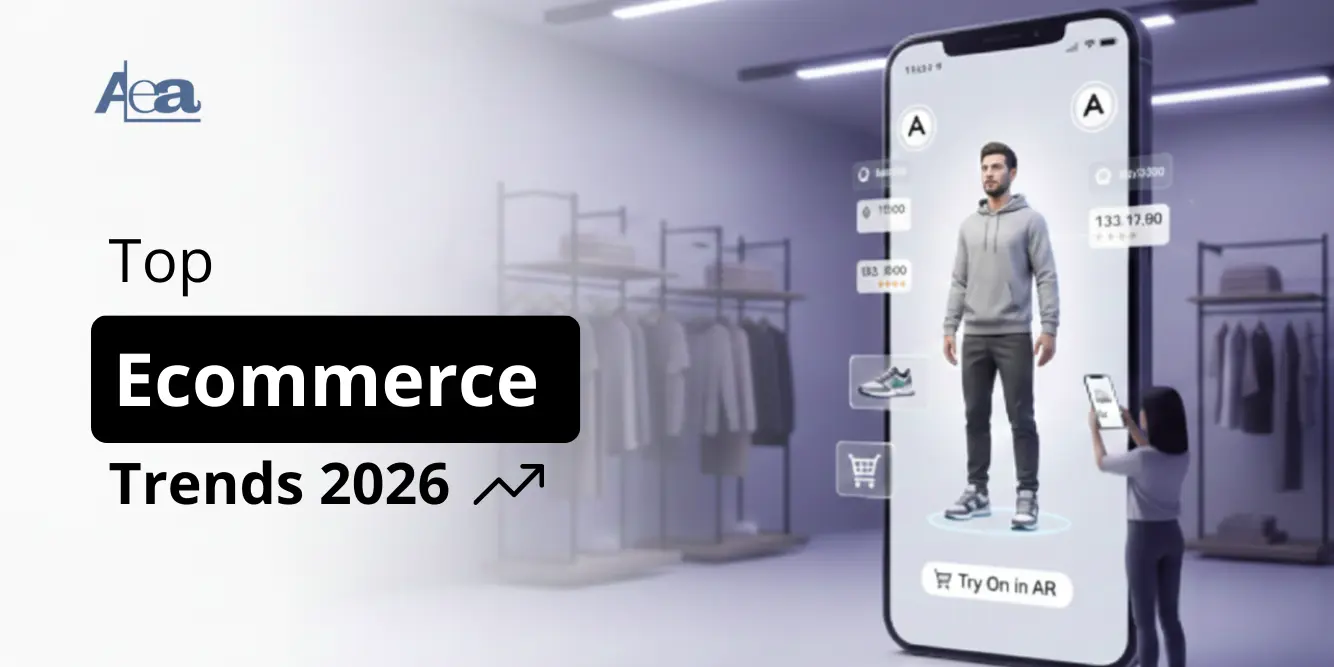
The boundary between physical and digital stores is blurring, creating immersive phygital experiences. From AR try-ons to VR showrooms, brands are creating interactive spaces that merge online convenience with offline engagement.
Benefits
- Drives higher engagement and loyalty.
- Differentiates brands in crowded marketplaces.
Monetization
- Premium experience offerings and exclusive product launches.
- Event-based revenue streams.
5. Zero-Click Commerce
Zero-click commerce removes friction by enabling automated purchases via AI, subscriptions, or predictive buying.
Benefits
- Reduces cart abandonment.
- Encourages recurring purchases and subscription-based revenue.
Monetization
- Subscription boxes and replenishment services.
- Premium “set-and-forget” convenience packages.
This aligns with e-commerce market trends that prioritize customer convenience and automation.
6. In-Store Automation and Frictionless Shopping
Physical stores are adopting automation technologies like smart shelves, checkout-free stores, and robotics to improve efficiency and customer experience.
Benefits
- Faster checkouts and seamless shopping.
- Operational cost reduction.
Monetization
- Increased foot traffic and higher average order value.
- Better data capture for personalized marketing.
Trend Insight: In-store automation is a leading example of current trends in ecommerce development bridging physical and digital retail.
Read Also: Best Ideas to Boost Your E-Commerce Sales
7. Sustainability and Circular Retail
Consumers are increasingly conscious of environmental impact. Sustainable practices like eco-friendly packaging, circular retail, and recycling initiatives are becoming essential.
Benefits
- Builds brand loyalty and positive social impact.
- Aligns with CSR expectations.
Monetization
- Premium pricing for sustainable products.
- Loyalty programs linked to eco-friendly behavior.
8. AI: From Support to Central Strategist
AI will drive not just operations but strategic decisions from inventory management to personalized marketing.
Benefits
- Optimized pricing and forecasting.
- Better customer targeting and experience personalization.
Monetization
- Cost savings from automation.
- Revenue growth from predictive analytics and smarter marketing.
9. Seamless and Integrated Omnichannel Experience
Customers expect consistent experiences across online stores, apps, marketplaces, and physical stores. Integrated platforms unify inventory, customer data, and experiences.
Benefits
- Stronger retention through consistency.
- Easier cross-channel marketing and upselling.
Monetization
- Increased sales through multiple touchpoints.
- Enhanced customer loyalty and lifetime value.
This trend reflects the best ecommerce platform that offer fully integrated omnichannel support.
10. Payment Flexibility and Fintech Solutions
Payment options are no longer optional. From BNPL and digital wallets to cryptocurrency, customers expect flexible, seamless payments.
Benefits
- Reduced cart abandonment.
- Expands customer base to include diverse financial preferences.
Monetization
- Transaction fees and partnerships with fintech providers.
- Higher average order values with flexible payment options.
11. Sustainability and Corporate Social Responsibility (CSR)
Beyond products, brands will focus on CSR initiatives like ethical sourcing, transparent operations, and social programs.
Benefits
- Builds consumer trust and loyalty.
- Differentiates brands in competitive markets.
Monetization
- Premium pricing for ethical products.
- CSR-aligned campaigns to boost brand equity.
12. Zero-Party Data and Privacy
Zero-party data data willingly shared by customers will power personalization while respecting privacy.
Benefits
- More accurate targeting without regulatory risk.
- Stronger trust and long-term customer relationships.
Monetization
- Personalized marketing campaigns.
- Enhanced product recommendations.
This trend is key for businesses looking to remain compliant and relevant in current trends in ecommerce development.
Related Insights: Top 50+ E-commerce Business Ideas
13. Voice Commerce and Smart Assistant Shopping
Voice-enabled devices and digital assistants are enabling hands-free commerce, integrating AI, IoT, and predictive buying.
Benefits
- Convenient, frictionless shopping experiences.
- Supports automated purchasing and subscriptions.
Monetization
- Voice-optimized product catalogs.
- Premium subscription services for convenience-driven consumers.
14. AR/VR Product Visualization
Augmented and virtual reality tools allow consumers to see products before buying, improving confidence and reducing returns.
Benefits
- Enhanced engagement and lower returns.
- Ability to create immersive, shareable experiences.
Monetization
- Premium pricing for interactive experiences.
- Increased conversions through virtual try-ons.
15. Blockchain and Supply Chain Transparency
Blockchain ensures traceability and authenticity in ecommerce, especially in sectors like fashion, luxury, and food.
Benefits
- Builds trust with customers through verified product histories.
- Supports ethical sourcing and regulatory compliance.
Monetization
- Premium pricing for “verified” products.
- Differentiation from counterfeit-heavy markets.
Related Insights: E-commerce App Development Cost
16. Hyper-Local Micro-Fulfillment (MFCs)
As delivery windows shrink from “next-day” to “under-30-minutes,” traditional centralized warehouses are quickly becoming outdated.
Benefits
-
Faster Delivery: Enables ultra-fast delivery times, meeting the demand for instant gratification in a customer-centric economy.
-
Improved Efficiency: Reduces shipping costs by localizing inventory close to key markets.
-
Enhanced Customer Experience: With localized fulfillment, customers enjoy quicker deliveries and greater convenience.
Monetization
-
Subscription-Based Services: Offer premium delivery services, like “express shipping” or “same-day delivery,” through a subscription model.
-
Increased Conversion Rates: Faster delivery and lower shipping costs can significantly boost conversion rates and customer loyalty.
17. Predictive Returns & “Fair-Fit” Logic
Returns are a major cost for retailers. Predictive tools powered by AI are designed to reduce return rates by analyzing fit and customer behavior before a purchase is made.
Benefits
-
Lower Return Rates: AI helps prevent returns by proactively addressing issues related to fit or purchase habits, which saves on reverse logistics costs.
-
Enhanced Customer Retention: By preventing dissatisfaction, brands build trust and encourage repeat purchases.
-
Sustainability: Reducing returns also helps decrease the carbon footprint associated with reverse logistics.
Monetization
-
AI-Powered Solutions for Brands: Offer the AI technology to other retailers or through licensing models.
-
Dynamic Pricing: Incorporate real-time pricing adjustments or discounts based on purchase behavior to encourage customers to keep products.
18. Visual Discovery: “Point and Find” Technology
By 2026, the camera is set to replace the traditional search bar, enabling customers to find products instantly with just a photo.
Benefits
-
Streamlined Shopping Experience: Provides customers with a seamless way to find products they discover in real life without typing or searching.
-
Higher Conversion Rates: Makes the shopping process faster and more intuitive, resulting in more immediate purchases.
-
Increased Social Traffic: Shoppers will discover products through social media and real-world experiences, leading to higher-quality traffic.
Monetization
-
Affiliate Revenue: Brands can generate affiliate income from third-party retailers when customers make purchases through visual search features.
-
Boosted AOV (Average Order Value): Integrated upsell and cross-sell opportunities based on visual discoveries, increasing the overall order value.
Implementing ‘Point and Find’ requires high-end ecommerce app development services . If you’re looking to upgrade your mobile experience with visual search, we can help build that custom infrastructure.
19. Token-Gated Commerce & Digital “Access Keys”
Loyalty programs are evolving from traditional points to blockchain-based digital assets (NFTs) that unlock exclusive access for “Super-Fans.”
Benefits
-
Increased Customer Loyalty: Creating exclusive access for token holders fosters a more engaged, loyal customer base.
-
Scarcity & Exclusivity: Token gating drives demand for limited-edition products, creating an aura of scarcity that increases perceived value.
-
Enhanced Brand Community: Token holders become part of a brand’s inner circle, deepening emotional connections with the brand.
Monetization
-
NFT Sales: Monetize by selling unique digital tokens (NFTs) that unlock access to exclusive offers, events, or products.
-
Exclusive Drops: Limited-edition or “VIP” products available only to token holders, driving higher demand and higher margins.
-
Royalties: With blockchain tech, brands can earn royalties every time an NFT changes hands on secondary markets.
20. Composable Commerce: The “Plug-and-Play” Stack
The fastest-growing brands in 2026 will abandon all-in-one platforms in favor of composable architectures that allow for greater flexibility and scalability.
Benefits
-
Flexibility and Speed: Brands can adapt to new tech and market needs faster by using specialized APIs instead of monolithic platforms.
-
Cost-Effective: By using best-in-class technologies and only paying for the services you need, brands can reduce overhead costs and improve scalability.
-
Agility: Makes it easier to integrate with new technologies like AI, AR, or data-driven solutions without overhauling the entire system.
Monetization
-
API as a Service: Providers of individual composable services (e.g., checkout, search, inventory management) can monetize through SaaS subscription models.
-
Faster Time-to-Market: Brands can launch new features and products quicker, driving more revenue from faster iterations and market entry.
Preparing for 2026: How Businesses Can Leverage These Trends
To succeed, ecommerce businesses should:
-
Invest in AI-driven personalization and automation.
-
Adopt omnichannel strategies with the ecommerce platforms.
-
Offer flexible payments and fintech integrations.
-
Emphasize sustainability and CSR in operations and marketing.
-
Leverage AR/VR and voice commerce for immersive experiences.
-
Prioritize zero-party data and privacy compliance.
By aligning with trends in ecommerce business ideas that consumers expect, brands will remain competitive in a rapidly evolving marketplace.”
Conclusion
The ecommerce landscape of 2026 is no longer a simple digital storefront; it is a complex ecosystem of agentic protocols, predictive logistics, and hyper-personalized discovery. As we’ve explored, the brands that win won’t just be the ones with the best products, but the ones with the most resilient and adaptive technical foundations.
Transitioning to these future-proof models—whether through composable commerce or AI-driven automation—requires more than just a platform update. It requires a strategic partner.
As a specialized software development company, we don’t just follow these trends; we build the infrastructure that makes them possible. From high-performance ecommerce app development that captures mobile-first shoppers to bespoke artificial intelligence solutions that power your autonomous agents, we bridge the gap between “future vision” and “technical reality.”
FAQs
1. What are the key ecommerce development trends to watch in 2026?
With the ecommerce landscape constantly evolving, staying updated with the latest development trends is crucial for businesses looking to stay competitive. In 2026, some of the most impactful trends include AI-driven personalization, voice search optimization, AR/VR for immersive shopping experiences, and blockchain integration for secure transactions. Leveraging these trends will enable ecommerce businesses to create seamless, innovative customer journeys.
2. How does AI impact ecommerce development and customer experience?
AI plays a pivotal role in ecommerce development by enabling personalized customer experiences and automation. AI-driven recommendations, predictive analytics, and chatbots enhance the shopping journey by offering tailored product suggestions and 24/7 customer support. In 2026, AI will continue to evolve, enabling even more refined personalization and improved operational efficiencies, making it a key trend for ecommerce businesses to adopt.
4. How can ecommerce businesses optimize for mobile-first indexing in 2026?
With mobile traffic surpassing desktop usage, Google’s mobile-first indexing is crucial for ecommerce websites. To optimize for mobile-first indexing, ecommerce businesses should ensure that their website design is fully responsive, fast-loading, and mobile-optimized. Key strategies include simplifying navigation, improving mobile user experience (UX), using AMP (Accelerated Mobile Pages) for fast loading times, and optimizing images and content for smaller screens. These steps will not only enhance SEO rankings but also improve customer engagement on mobile devices.