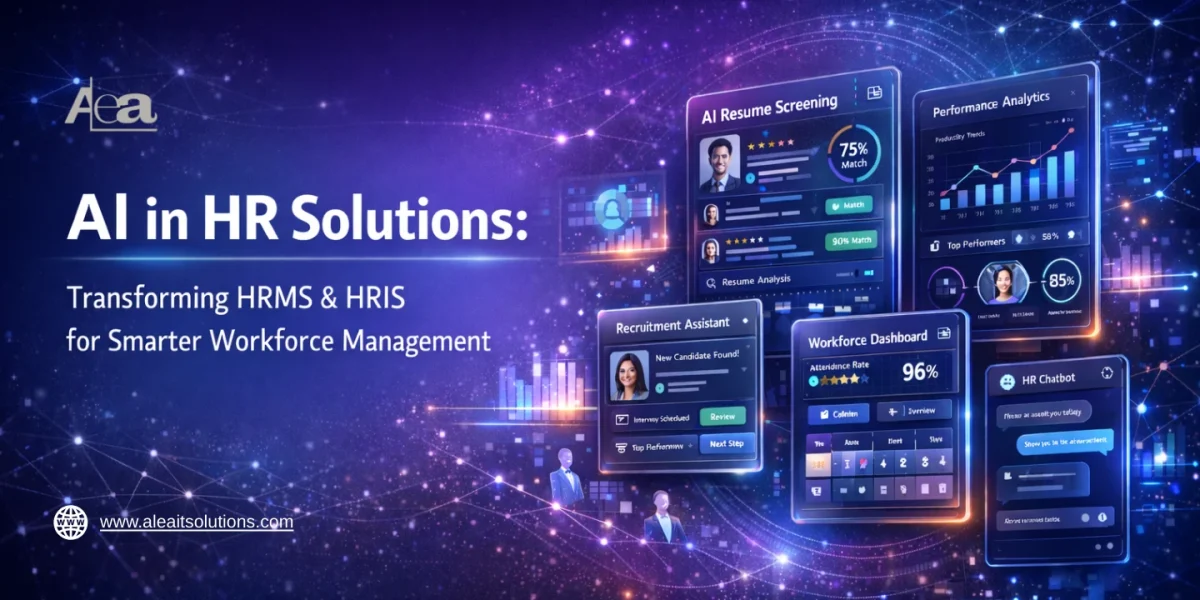
Adoption is real but uneven. SHRM’s 2026 State of AI in HR report found that 39% of organizations have implemented AI in at least one HR function, with another 7% planning to start this year. Gartner̵...
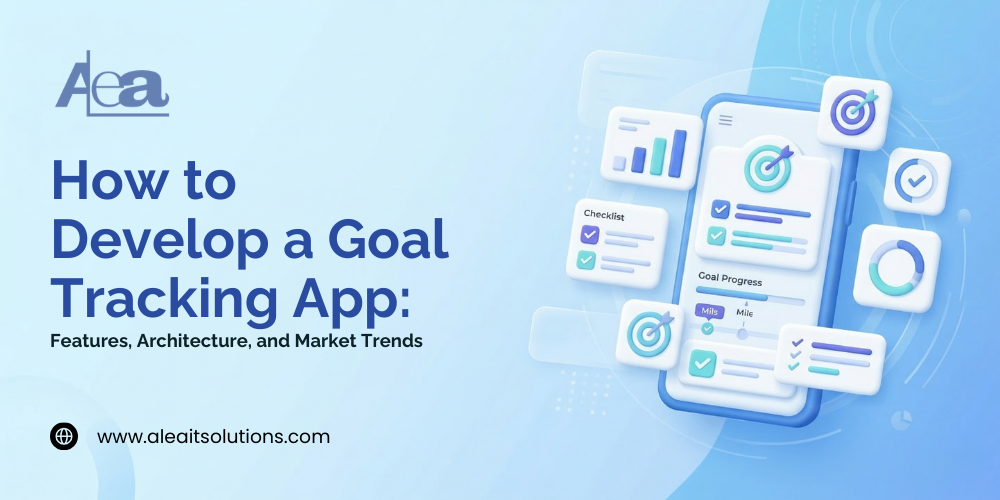
The demand for goal tracking and productivity apps is growing rapidly as individuals and businesses increasingly rely on digital tools to manage objectives and improve performance. With the rising focus on pers...

Use of Artificial Intelligence (AI) in eLearning refers to the integration of machine learning, natural language processing, predictive analytics, and intelligent automation into digital learning platforms to e...
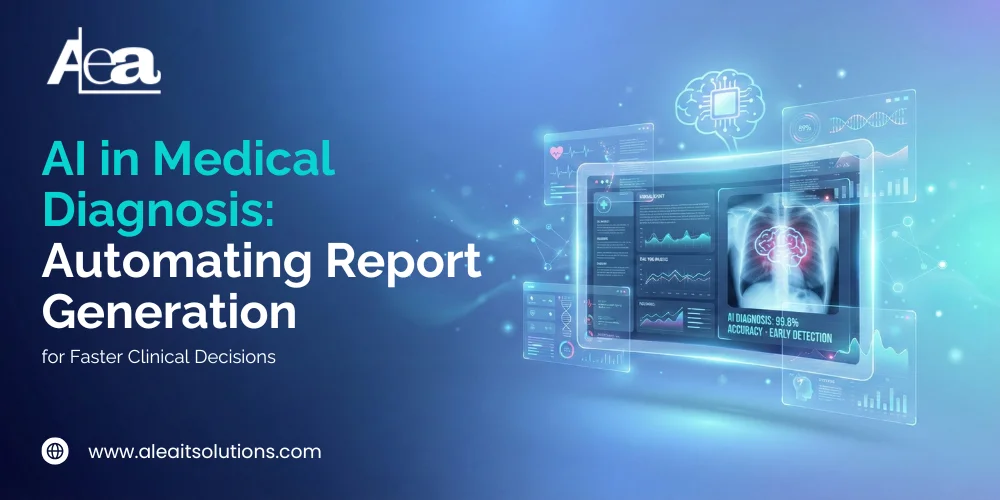
Healthcare systems are generating more diagnostic data than ever from imaging and pathology to labs and wearables yet many still rely on manual report workflows that slow turnaround times and delay clinical dec...

In 2026, the definition of a “Top Software Development Company” has undergone a radical shift. We’ve moved past the era of simple app builds and entered the age of AI-first engineering. Today, a suc...
Artificial Intelligence for clinical documentation is transforming how healthcare providers capture, structure, and utilize patient information. Traditional documentation whether handwritten notes or manual EHR...
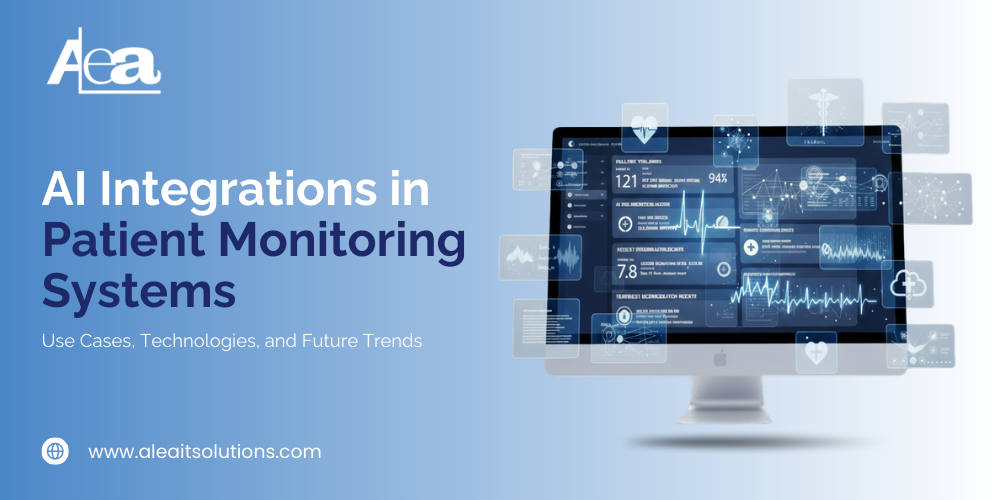
Traditional patient monitoring systems often fall short by relying on periodic checks and rule-based alarms, which only react after a patient’s condition deteriorates. This leads to delayed interventions,...
igenceA robust architecture is essential for building an AI-enabled EHR system and successfully implementing artificial intelligence in healthcare. It brings together secure patient data storage, intuitive clin...

Claims management is one of the most critical functions in the insurance value chain, directly impacting customer satisfaction, operational efficiency, regulatory compliance, and profitability. A slow or error-...